Kibbe body types
Kibbe Body Types: All 13 Types Explained
A practical Kibbe body type chart for the 10 current Image IDs, the 3 legacy pure types people still search for, and the modern accommodations that turn body type theory into outfit choices.
Start here
The Kibbe system is a style-line system, not a body critique.
David Kibbe's Image Identity system uses yin and yang language to describe visual line, scale, softness, sharpness, width, balance, and curve. It is different from apple, pear, or hourglass body-shape systems because the goal is not to correct measurements. The goal is to understand what clothing line makes the whole outfit feel harmonious.
The original 1987 framework is still the language most people search for, so this guide keeps all 13 Kibbe body types visible. The current practical system uses 10 active IDs, with Natural, Classic, and Gamine treated as legacy comparison pages.
Kibbe body type chart
The 5 families and 13 searchable IDs
Use this chart to understand the map before taking the quiz. Each family has a core line logic, then each active ID adds a more specific accommodation.
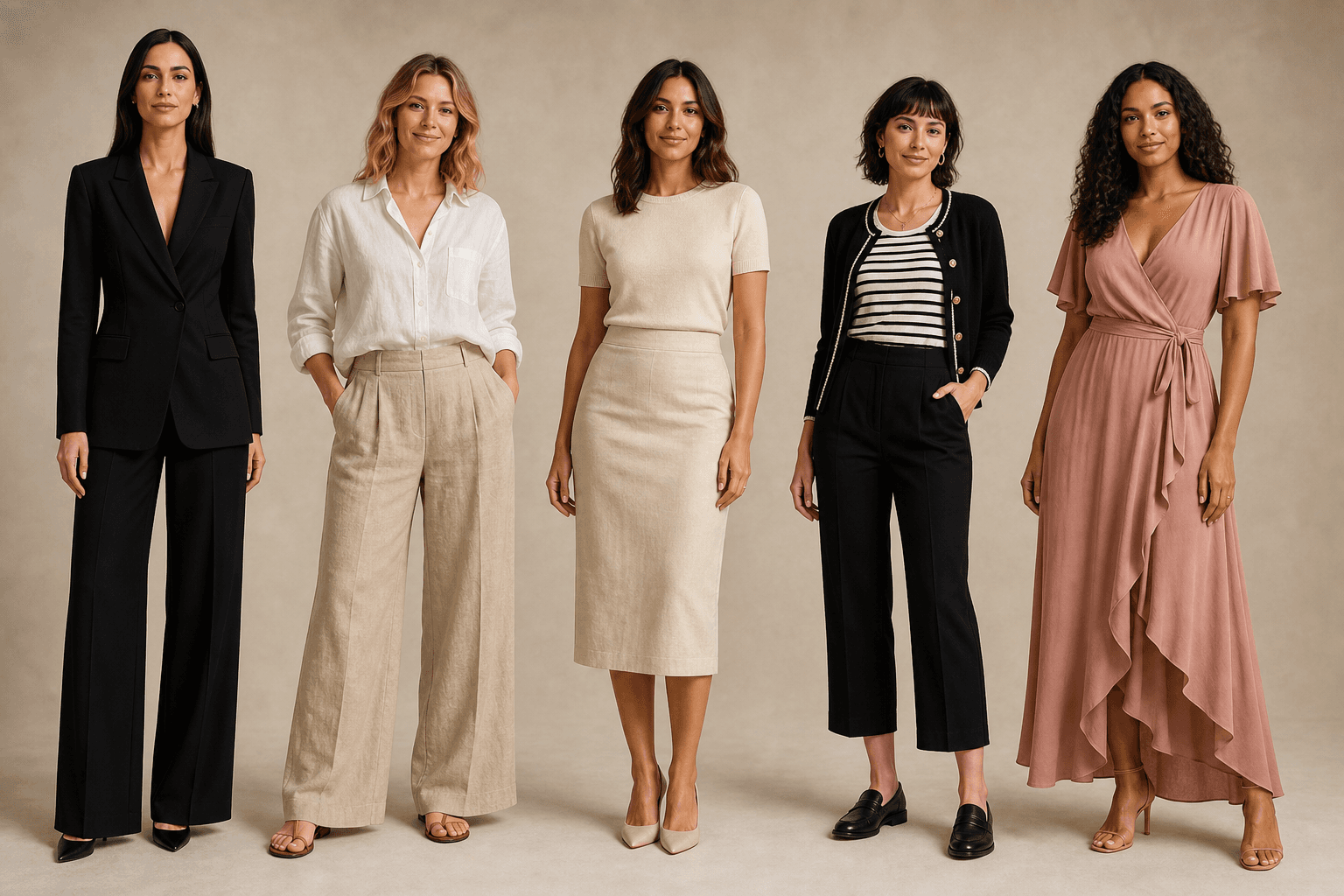
Dramatic family
The Dramatic family sits on the sharp-yang side of the Kibbe body type spectrum. These types are read through vertical, angularity, scale, and visual command before softness or moderation.
Natural family
The Natural family is blunt yang. The key idea is not simply being wide, but needing openness and room through the upper frame so clothing does not look pinched or fussy.
Classic family
The Classic family is built around balance. The active types lean either slightly sharper or slightly softer, because the pure midpoint is now treated as a legacy concept.
Gamine family
The Gamine family is contrast in compact scale. These types work with broken line, visible animation, and petite proportion rather than long uninterrupted flow.
Romantic family
The Romantic family is yin dominant. These types are shaped around curve, softness, drape, and waist definition, with Theatrical Romantic adding a small sharp undercurrent.
Modern framework
The 5 accommodations to understand before you type yourself
Modern Kibbe content works best when it starts with fabric behavior: what the outfit needs to do for vertical, width, curve, balance, or petite scale.
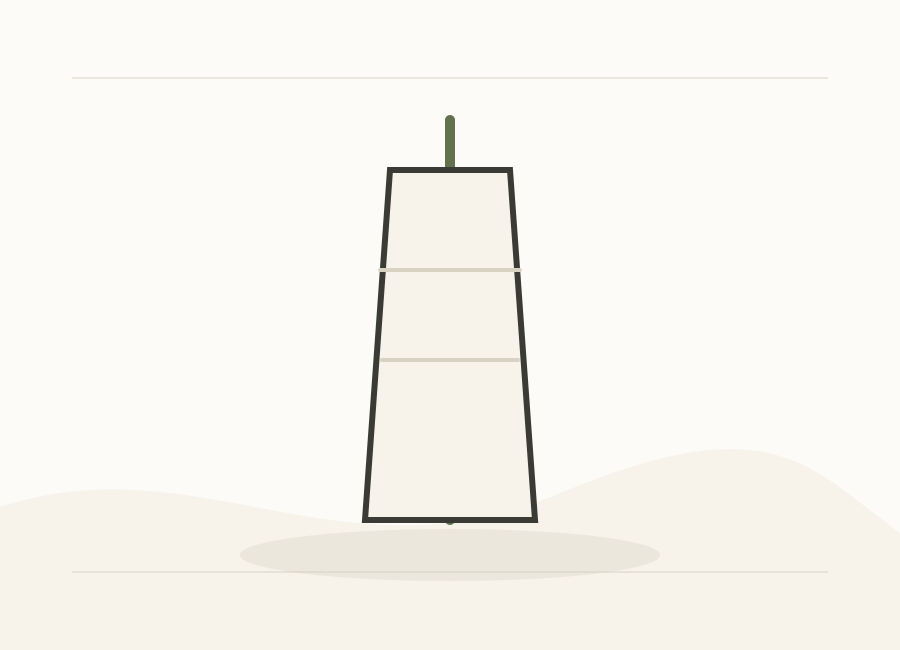
Vertical
A long visual line. Clothing usually works best when it preserves length through columns, long hems, low interruption, or sweeping scale.
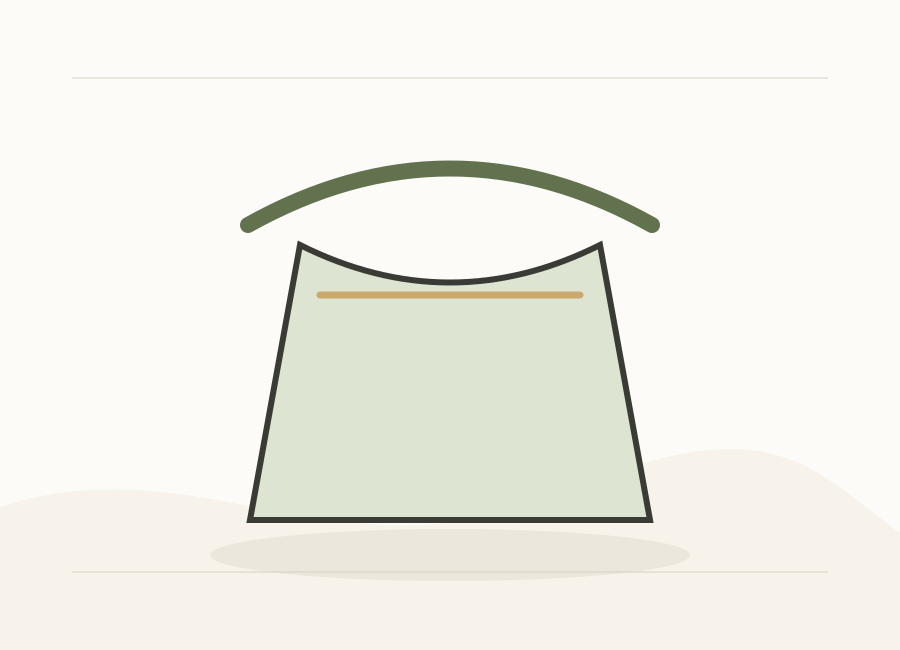
Width
Room through the upper frame, shoulders, or upper back. Clothing often needs open necklines, relaxed shoulder treatment, and ease rather than tight framing.
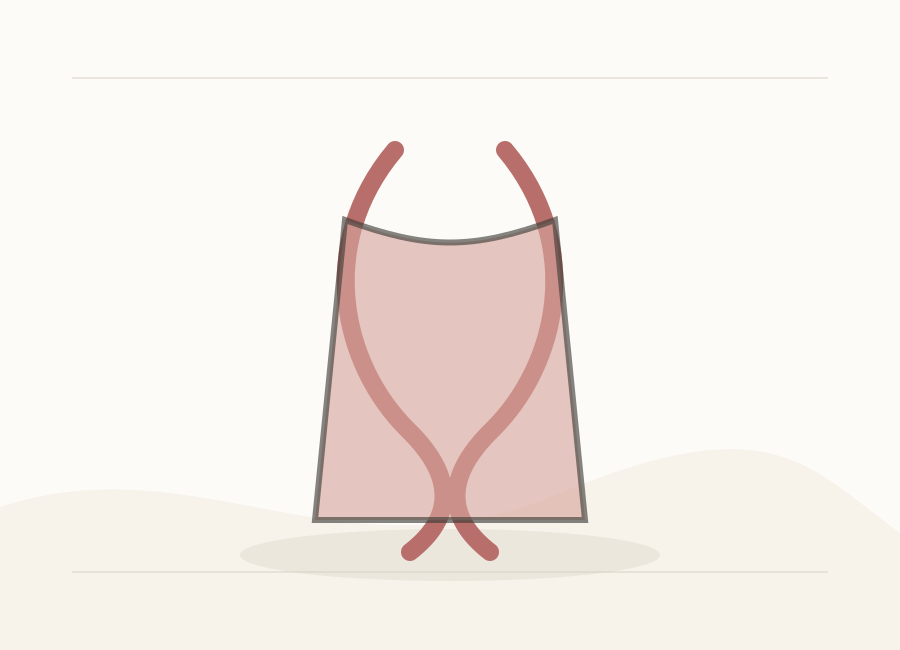
Curve
The body pushes fabric outward through rounded shape. Clothing usually needs drape, shaping, and room for the bust or hip curve instead of straight compression.
Balance
Moderation and symmetry. Clothing usually works best when scale, detail, fabric, and silhouette stay controlled and neither extreme nor visually noisy.

Petite
Compact visual scale. Clothing usually needs shorter proportions, crisp detail, and broken line so the wearer is not swallowed by long unbroken shapes.
Current Kibbe IDs
The 10 active Kibbe body types
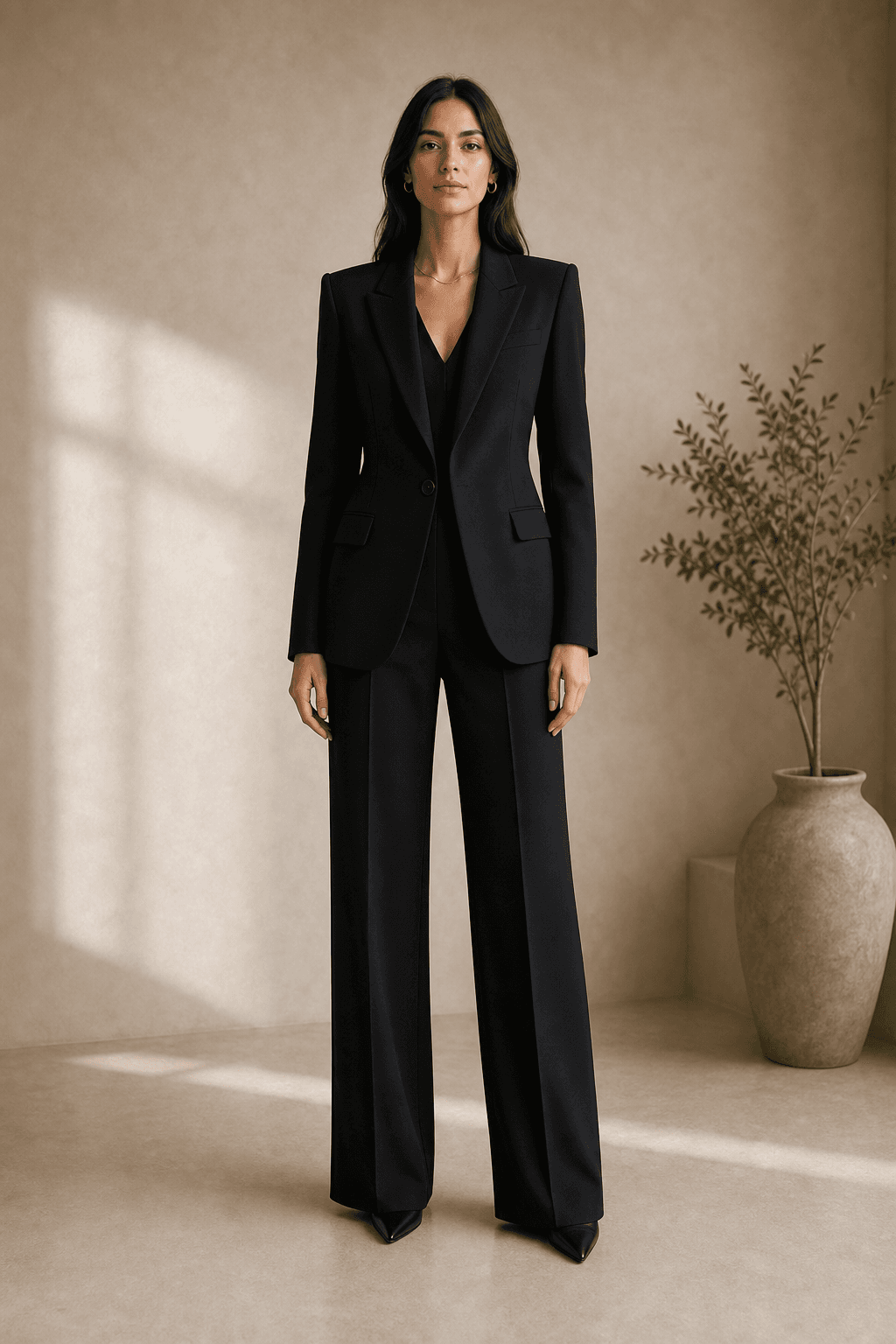
Dramatic family
Dramatic
Long, sharp, and striking, with a clean vertical line.
Read the complete guide
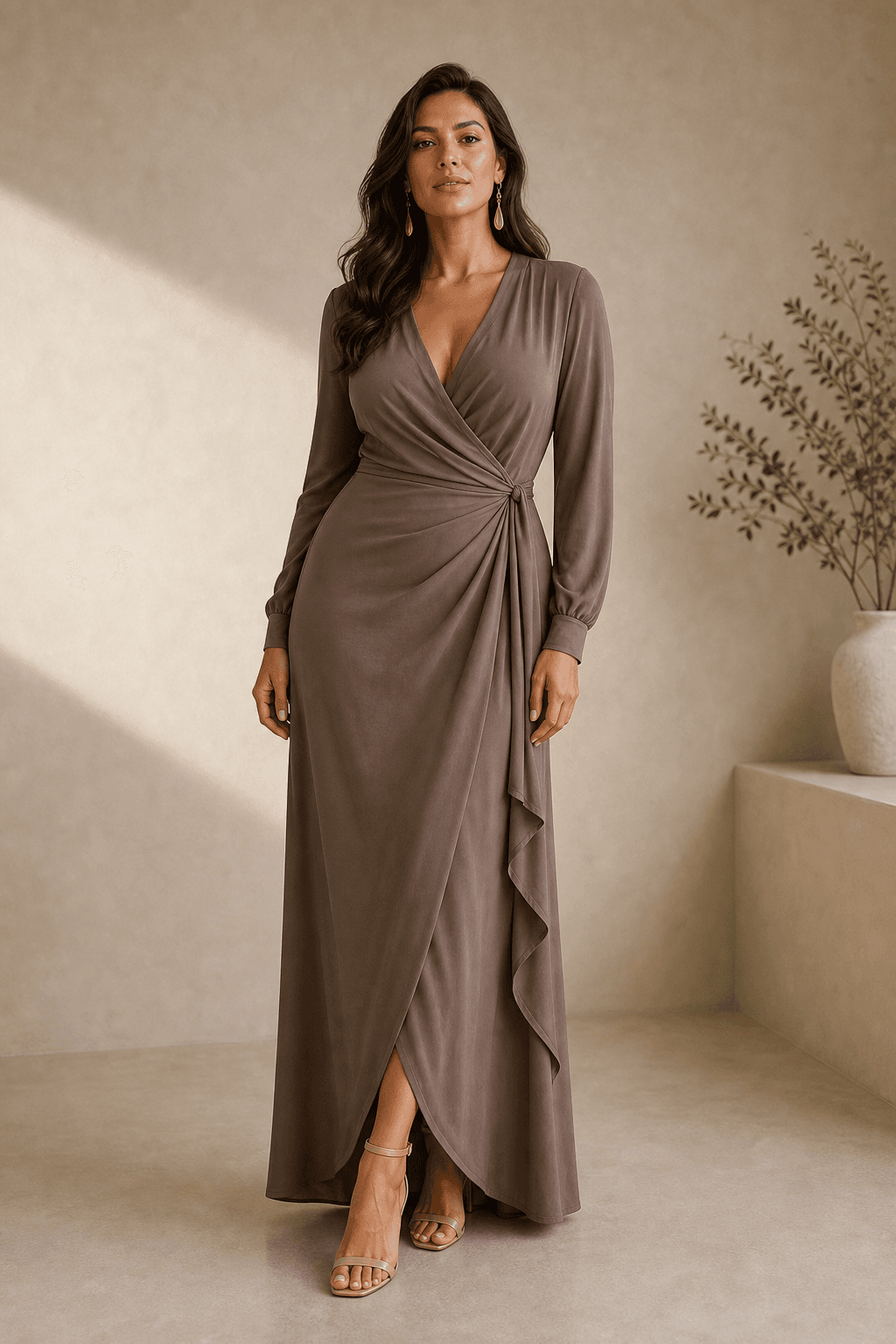
Dramatic family
Soft Dramatic
A long dramatic frame with visible curve and softness.
Read the complete guide
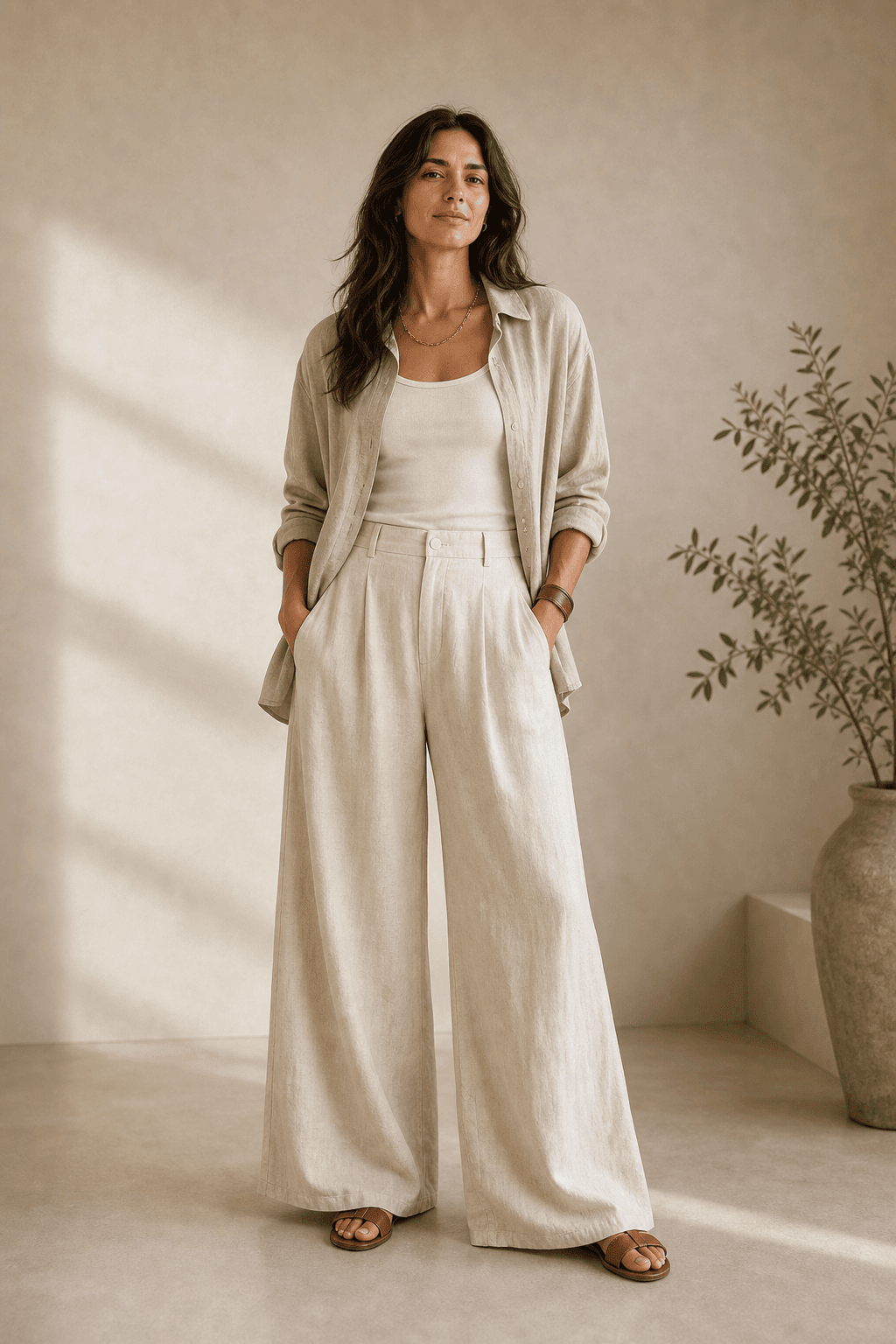
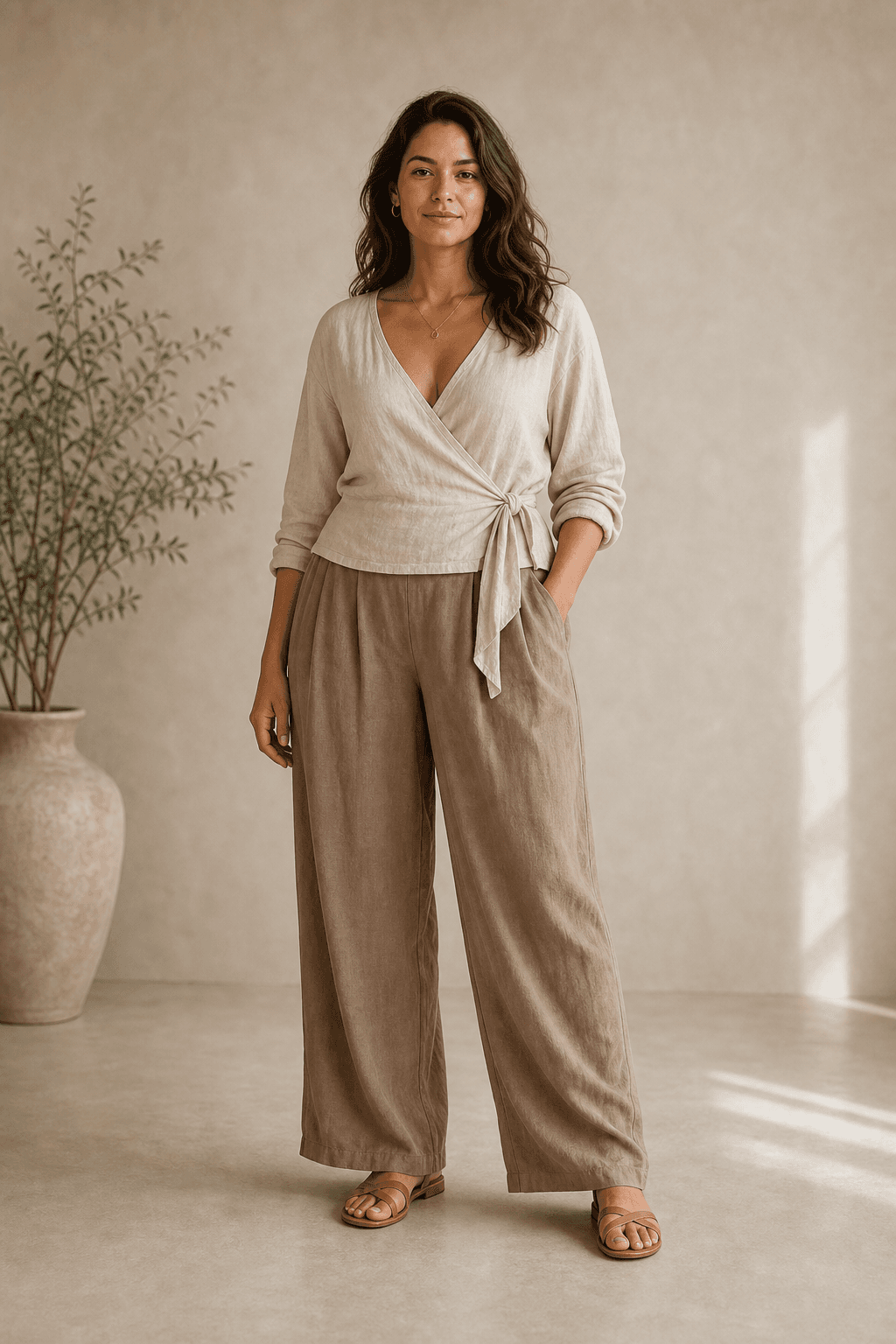
Natural family
Flamboyant Natural
Long, open, and relaxed, with width as the key feature.
Read the complete guide
Natural family
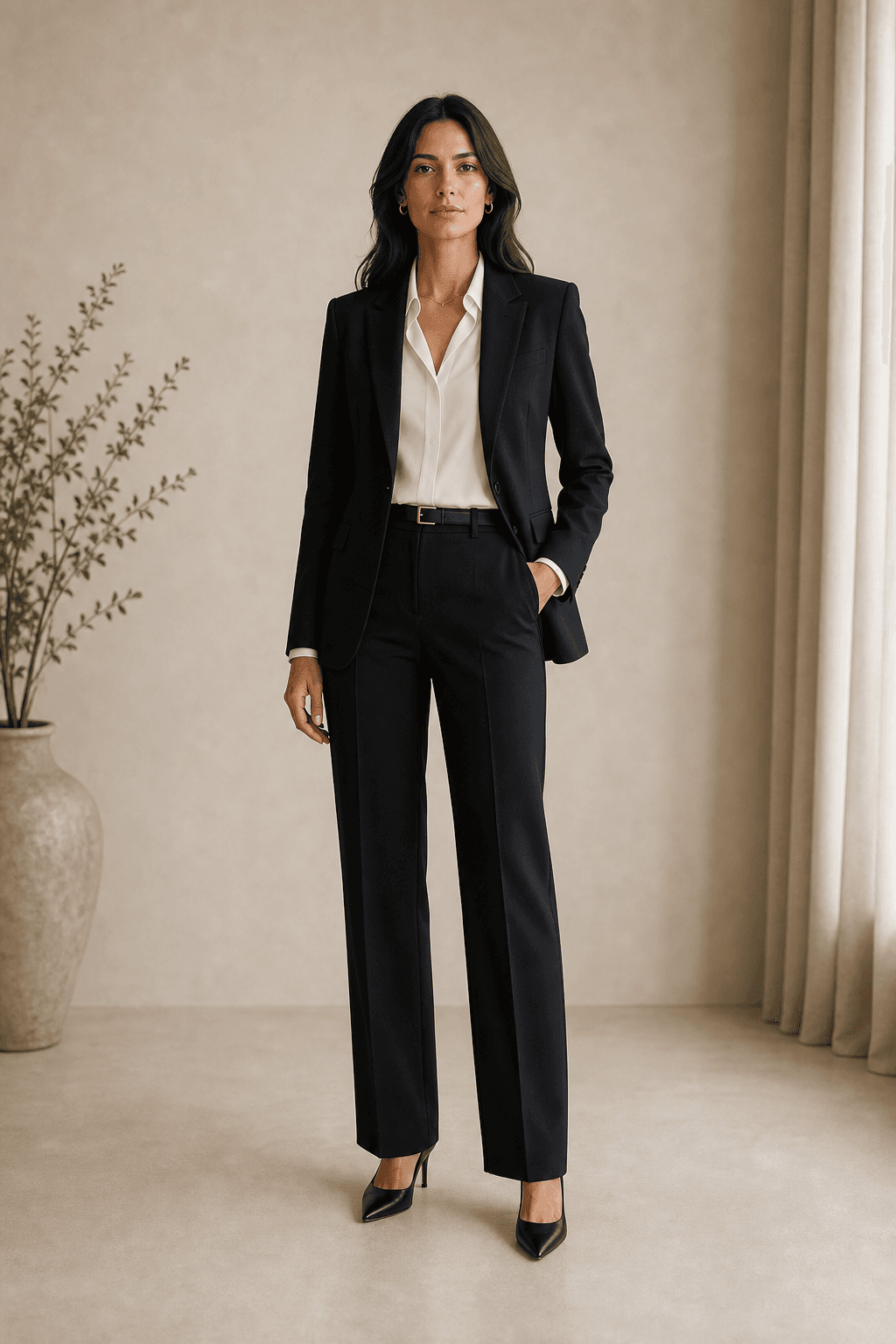
Soft Natural
Relaxed width with soft curve and approachable movement.
Read the complete guide
Classic family
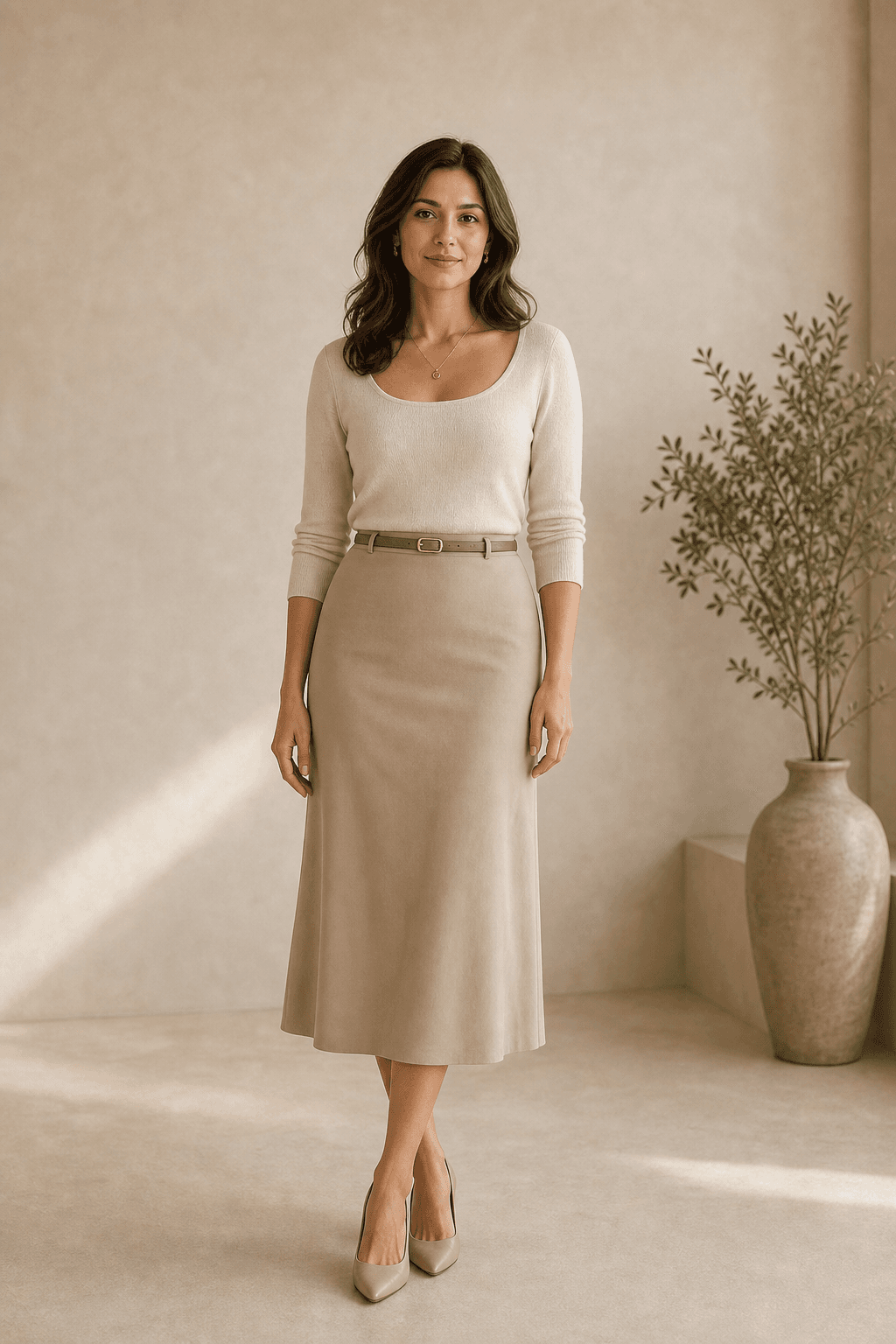
Dramatic Classic
Balanced and tailored, with a slight sharp edge.
Read the complete guide
Classic family
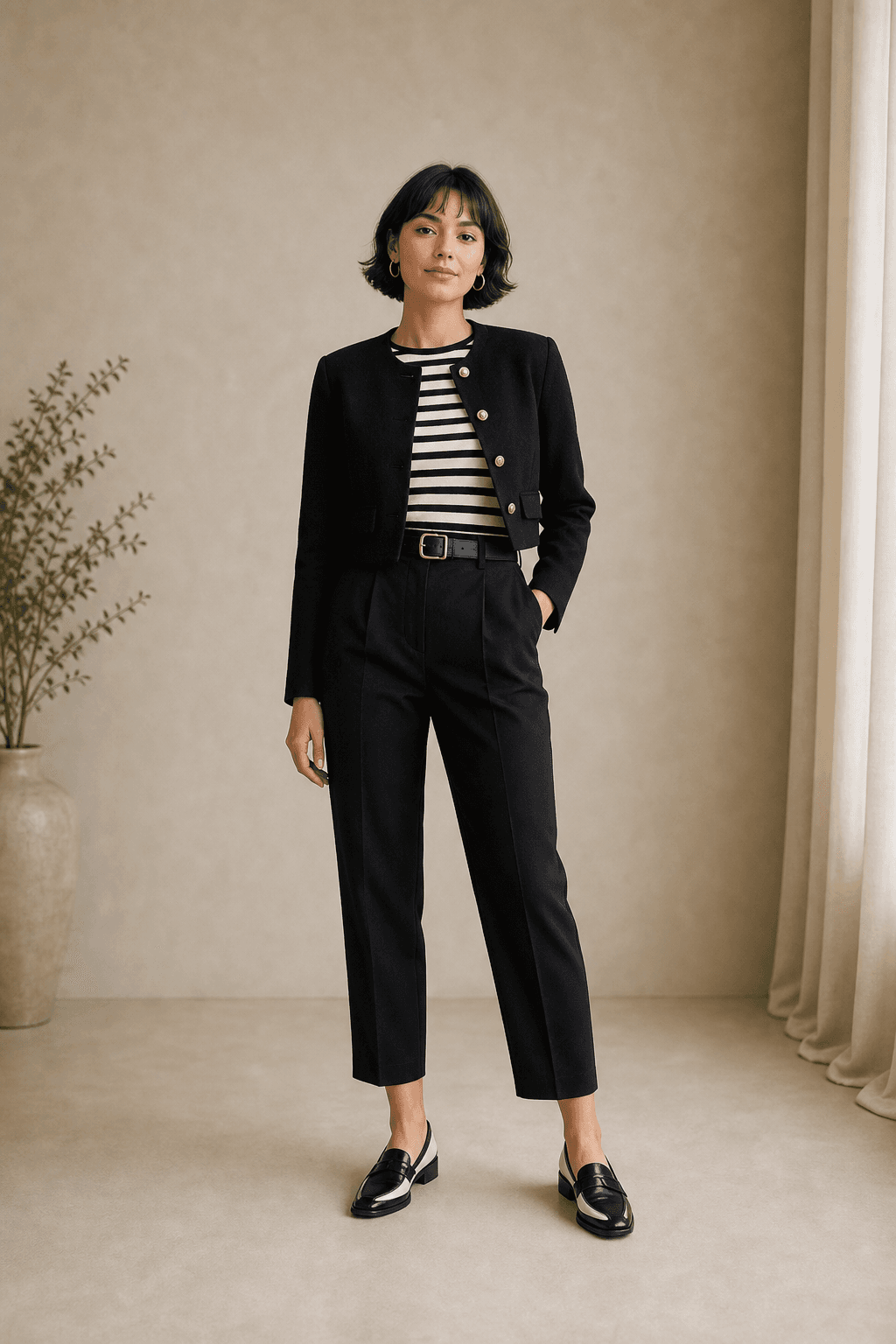
Soft Classic
Balanced and graceful, with gentle softness.
Read the complete guide
Gamine family
Flamboyant Gamine
Compact, high-contrast, and angular with playful sharpness.
Read the complete guide
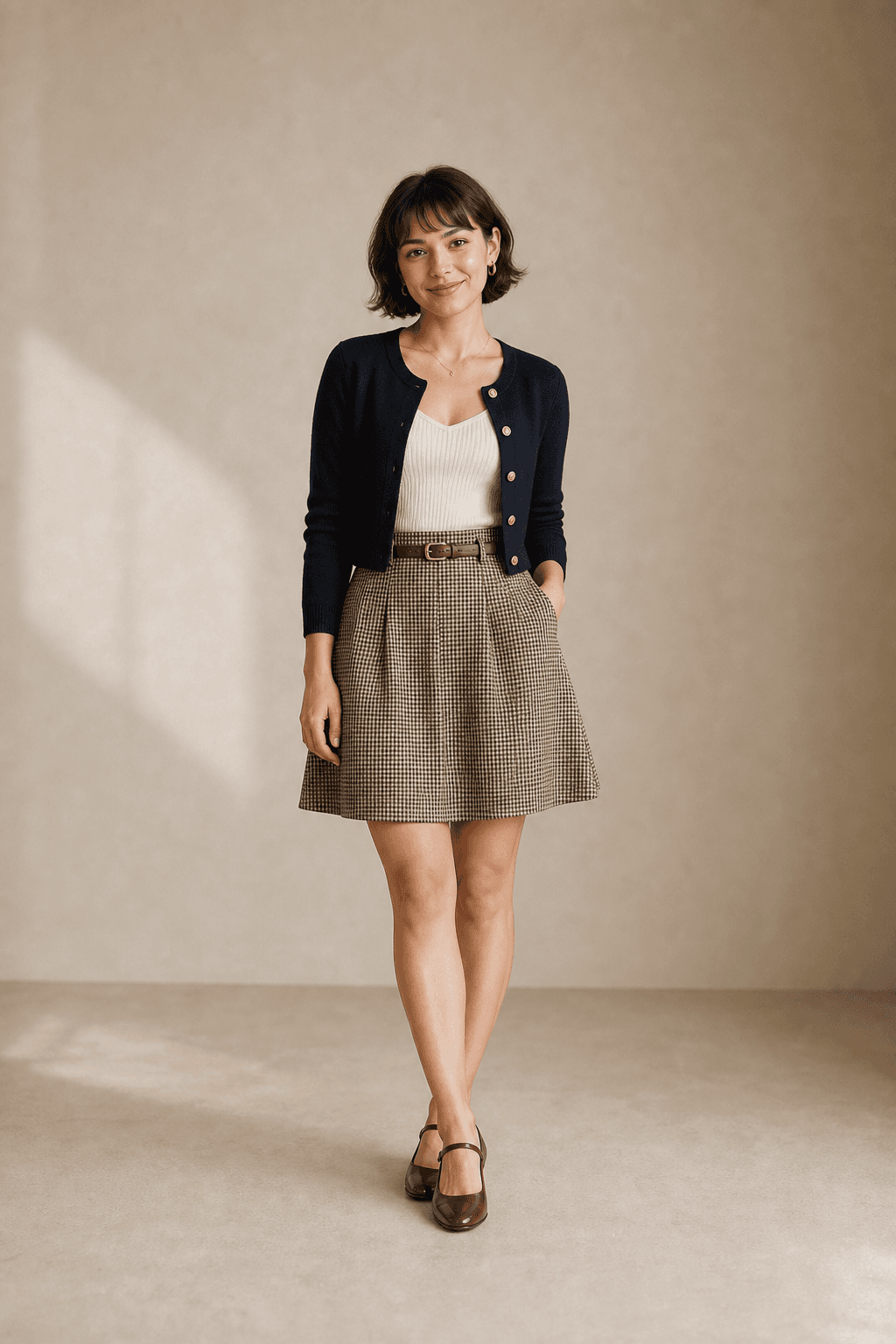
Gamine family
Soft Gamine
Petite, rounded, and animated with a mix of yin and yang.
Read the complete guide
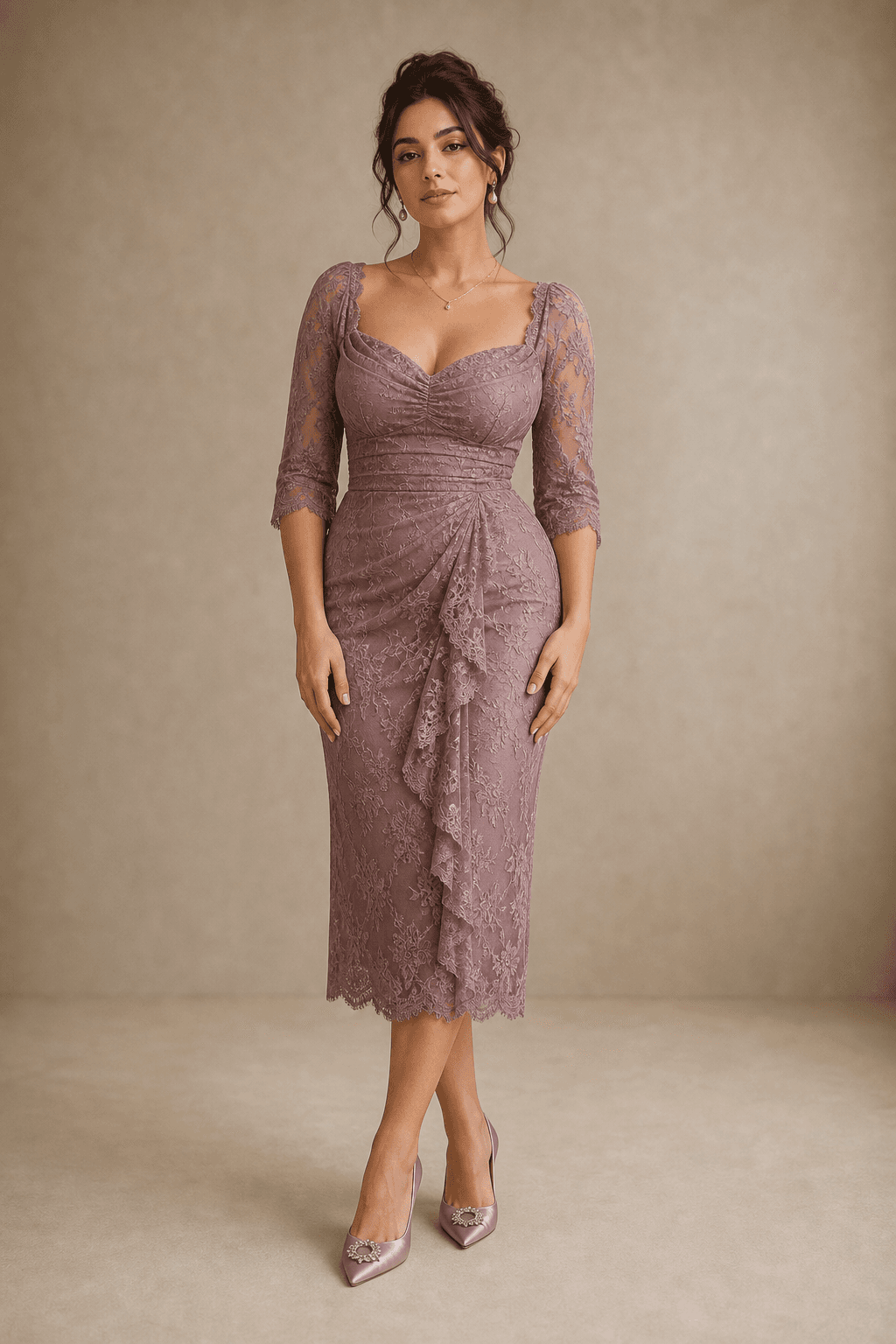
Romantic family
Theatrical Romantic
Soft, rounded yin with a narrow sharp edge.
Read the complete guide
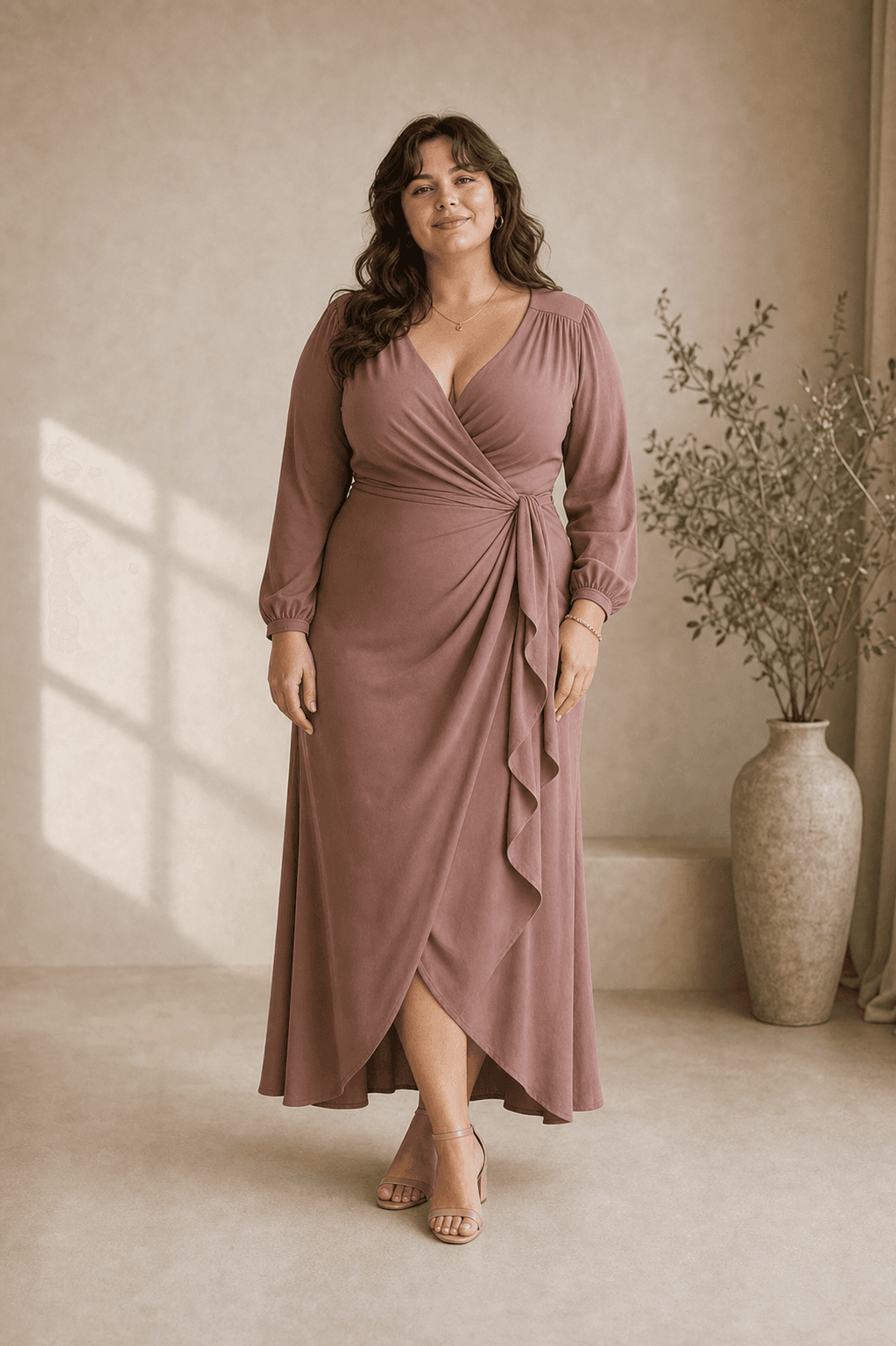
Romantic family
Romantic
Soft, rounded, and curve-dominant from head to toe.
Read the complete guide
Still searched
The 3 legacy pure types
Natural, Classic, and Gamine still matter for SEO and education. These pages should not disappear, because they answer the old search intent while guiding readers to the current active IDs.
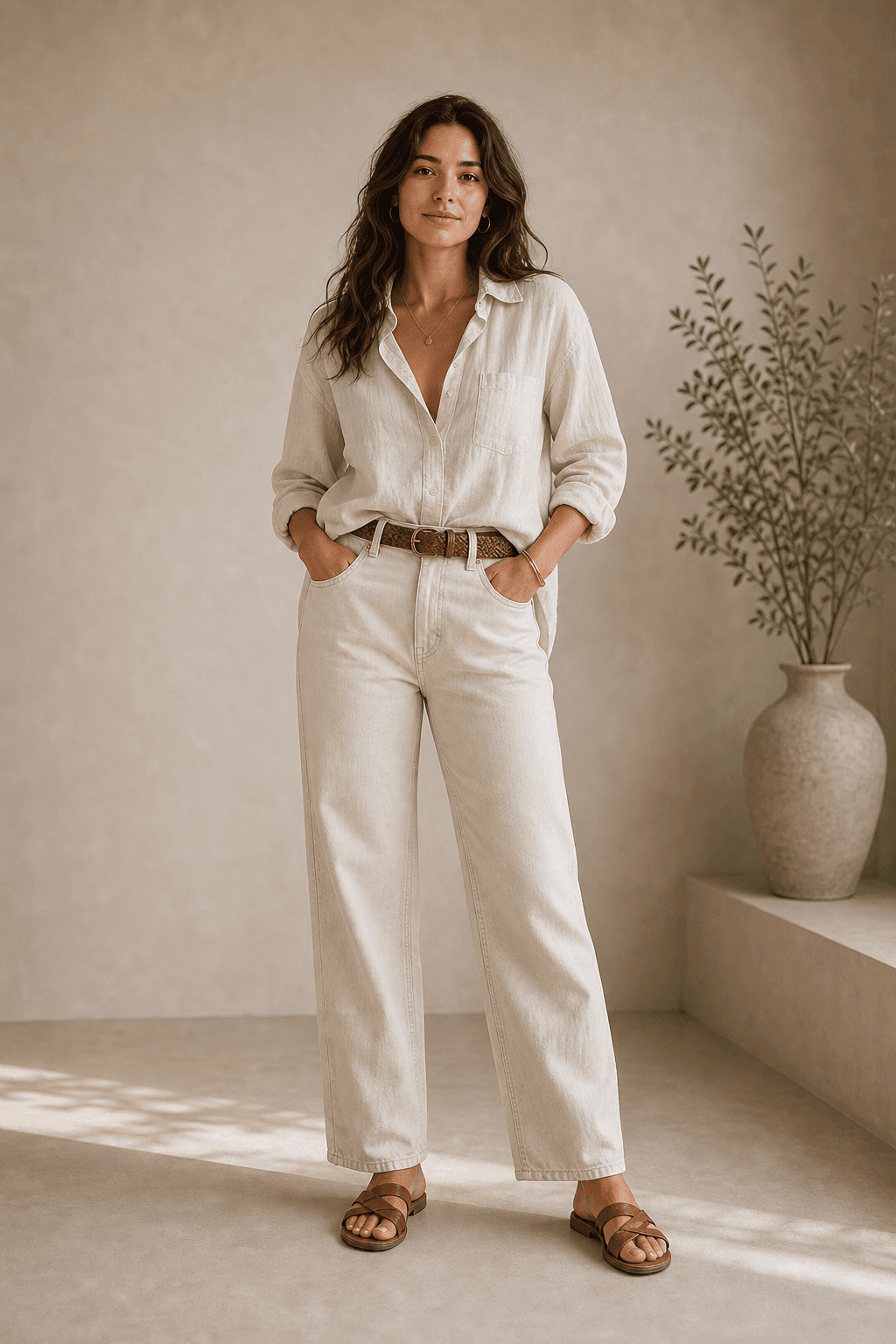
Legacy pure type
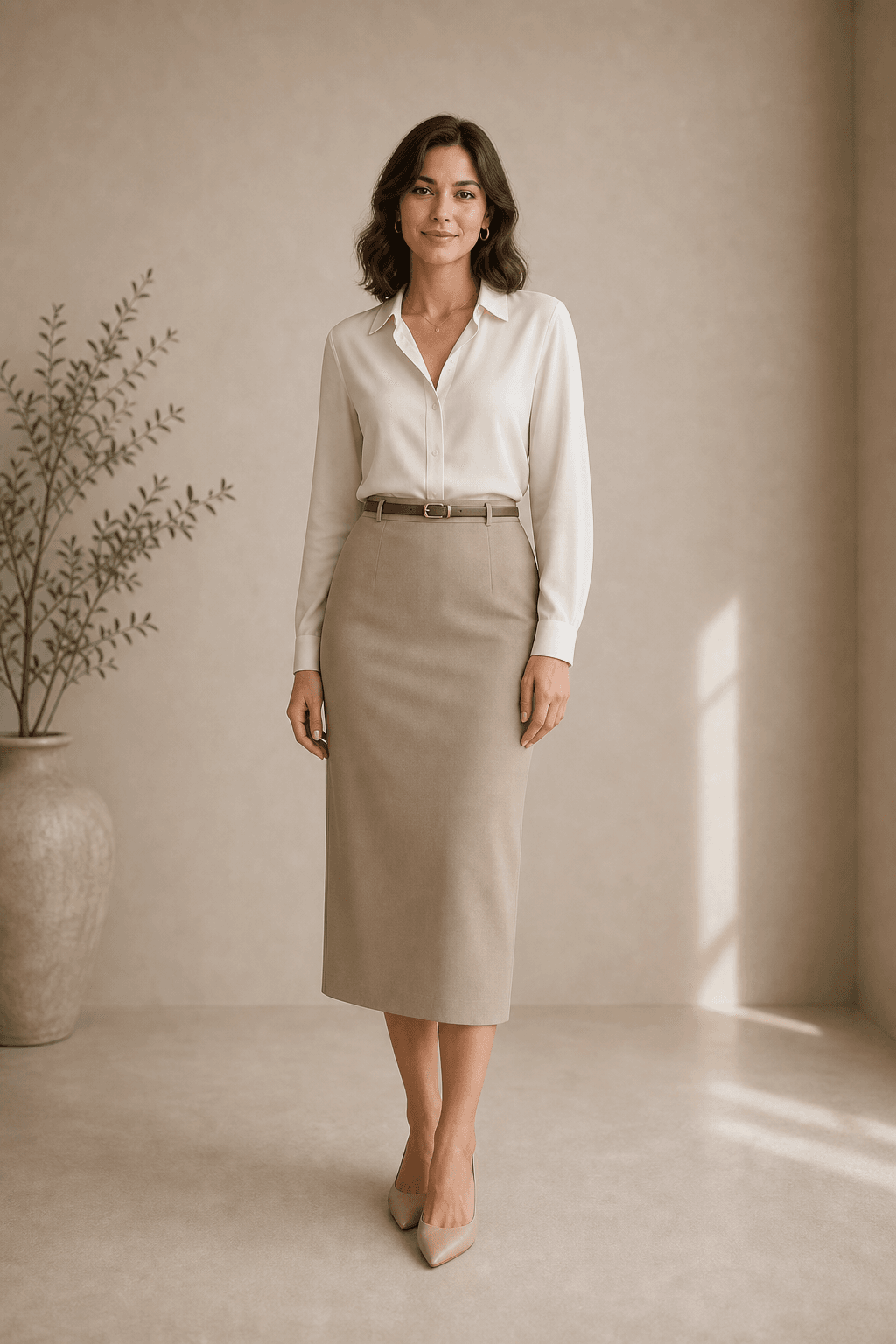
Natural
A formerly used pure type now usually split into Soft Natural or Flamboyant Natural.
Legacy pure type
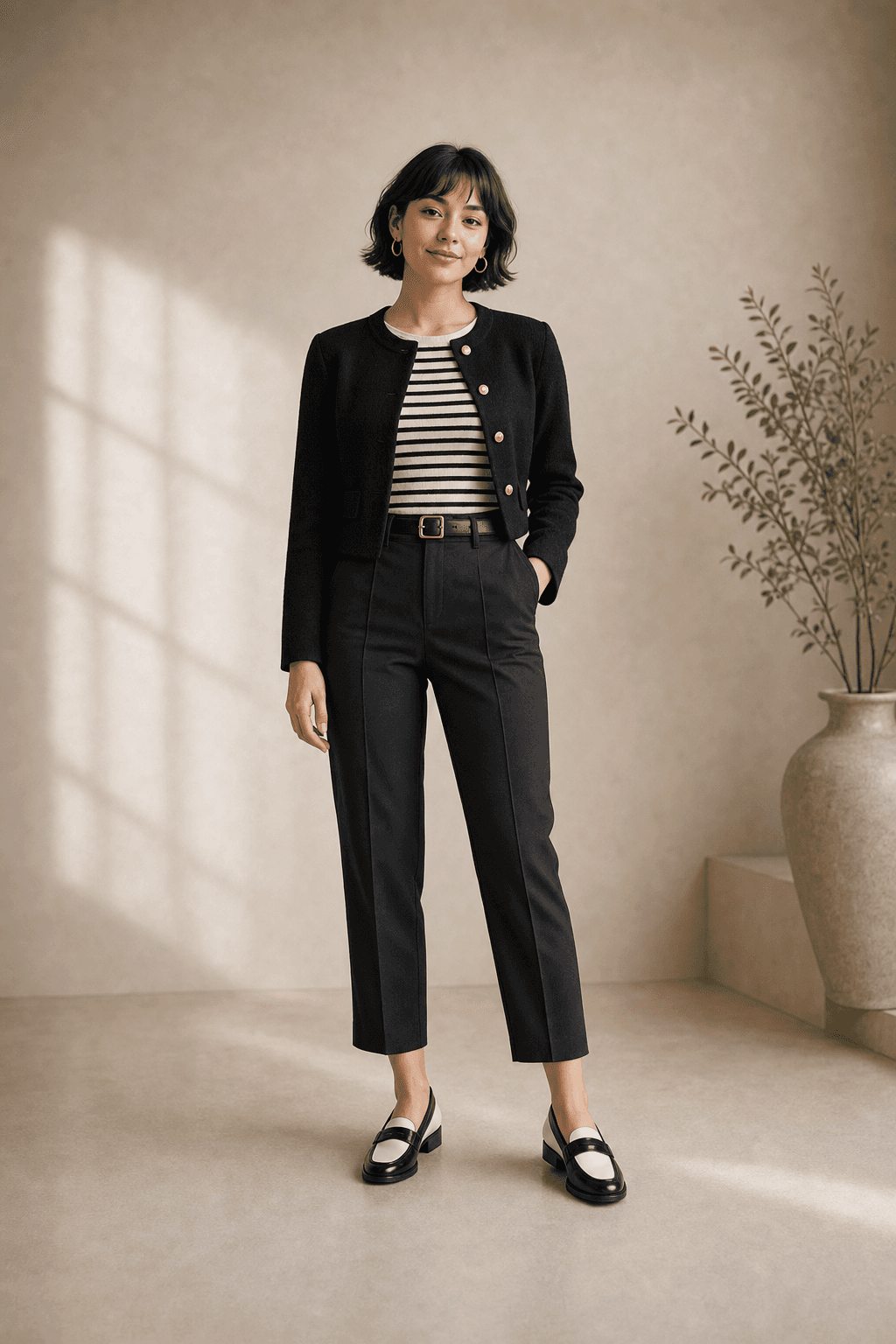
Classic
A formerly used pure type now usually split into Soft Classic or Dramatic Classic.
Legacy pure type
Gamine
A formerly used pure type now usually split into Soft Gamine or Flamboyant Gamine.
How to use this guide
Start broad, then compare adjacent types.
First, identify the family that sounds closest: Dramatic, Natural, Classic, Gamine, or Romantic. This gives you the broad line logic.
Next, identify the accommodation that keeps showing up in outfits: vertical, width, curve, balance, or petite scale.
Finally, compare the two or three closest type pages. Kibbe results are more useful when they help you shop and style, not when they become a permanent label.