Free styling tool
Free Kibbe Body Type Quiz
Find your likely Kibbe body type with visual answer guides, weighted scoring, and styling recommendations you can actually use when shopping.
This quiz evaluates bone structure, body flesh, and facial features separately, then weights the result toward the features that matter most. It also accounts for Kibbe's height rule so tall results do not get forced into petite or curve-only categories.
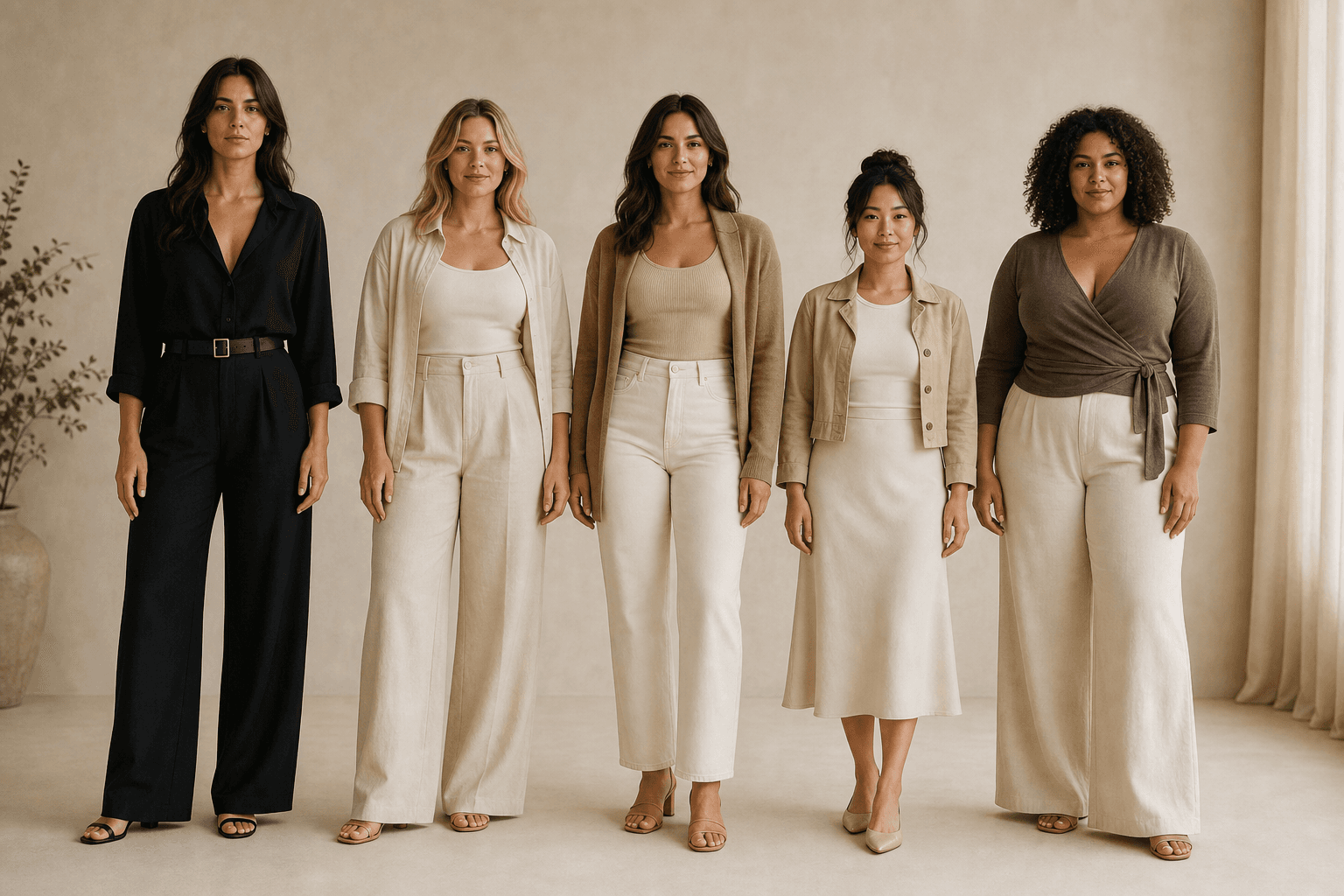
Start with height
Kibbe starts with your visible line.
Choose your height range first. If you are over 5'6", the quiz applies Kibbe's automatic vertical rule and limits possible results to Dramatic, Soft Dramatic, or Flamboyant Natural.
No email required to see your result.
How this Kibbe test works
It gives you a ranked style hypothesis, not a permanent label.
Most Kibbe body type quizzes online count A through E answers and stop there. This quiz weights bone structure more heavily than facial features, checks for petite contrast and Natural family width, and applies the height rule before showing a likely active Image ID.
The result page is meant to send you into comparison: read the closest adjacent types, test the recommended lines in real outfits, and use the answer as shopping guidance rather than as a body diagnosis.
Modern accommodations
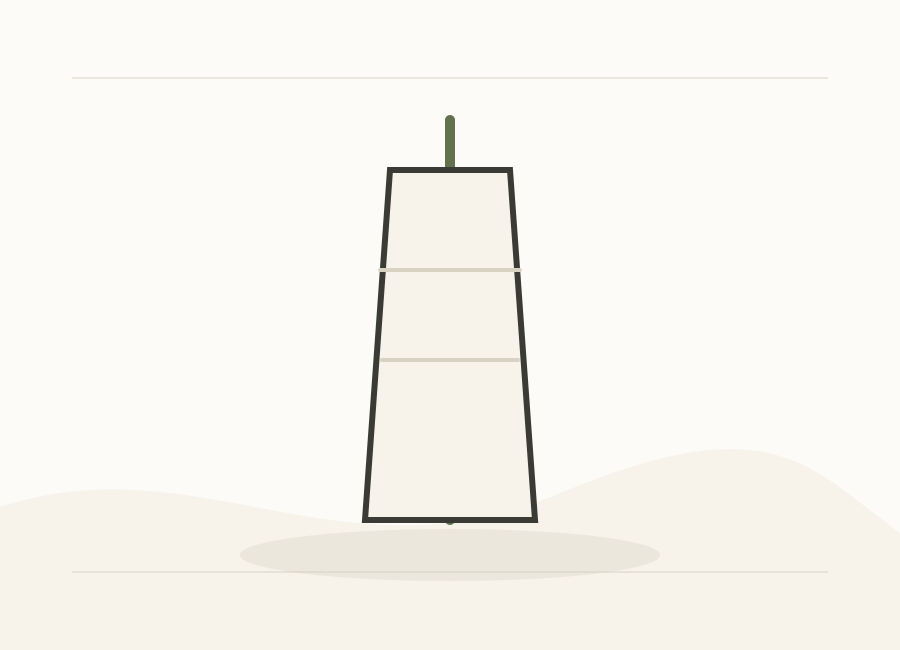
Vertical
A long visual line. Clothing usually works best when it preserves length through columns, long hems, low interruption, or sweeping scale.
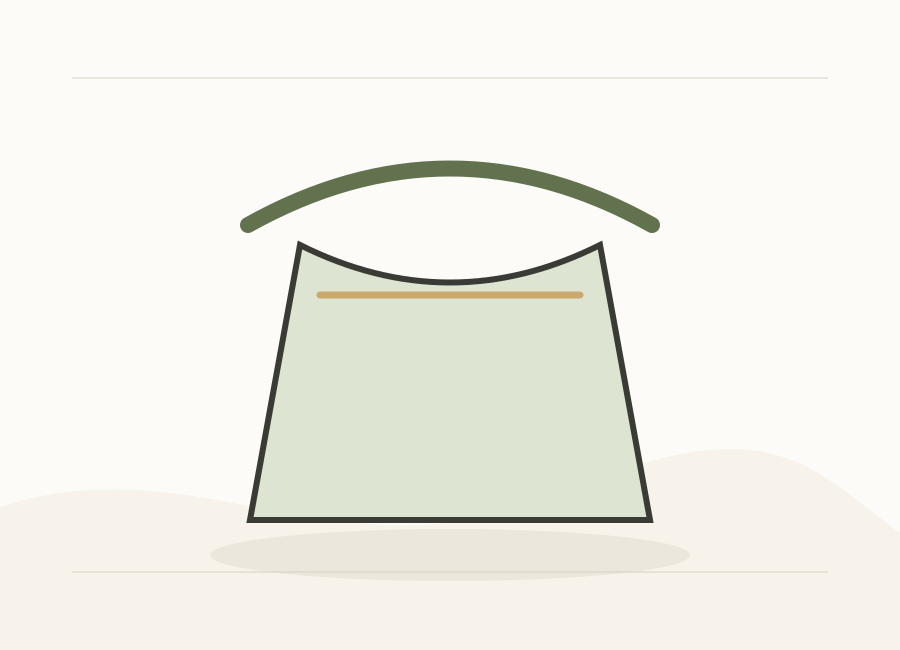
Width
Room through the upper frame, shoulders, or upper back. Clothing often needs open necklines, relaxed shoulder treatment, and ease rather than tight framing.
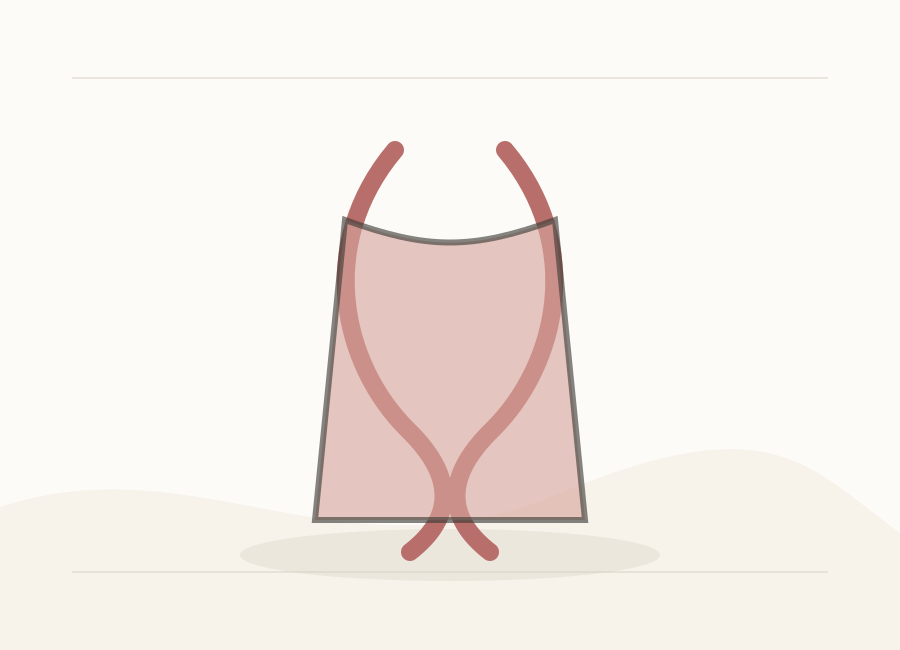
Curve
The body pushes fabric outward through rounded shape. Clothing usually needs drape, shaping, and room for the bust or hip curve instead of straight compression.
Balance
Moderation and symmetry. Clothing usually works best when scale, detail, fabric, and silhouette stay controlled and neither extreme nor visually noisy.

Petite
Compact visual scale. Clothing usually needs shorter proportions, crisp detail, and broken line so the wearer is not swallowed by long unbroken shapes.
Explore before taking the quiz
All Kibbe body type guides
Each guide is a crawlable styling resource with a scorecard, type traits, outfit lines, celebrity examples, mistyping notes, and Willow & Thread shopping paths.
Dramatic family
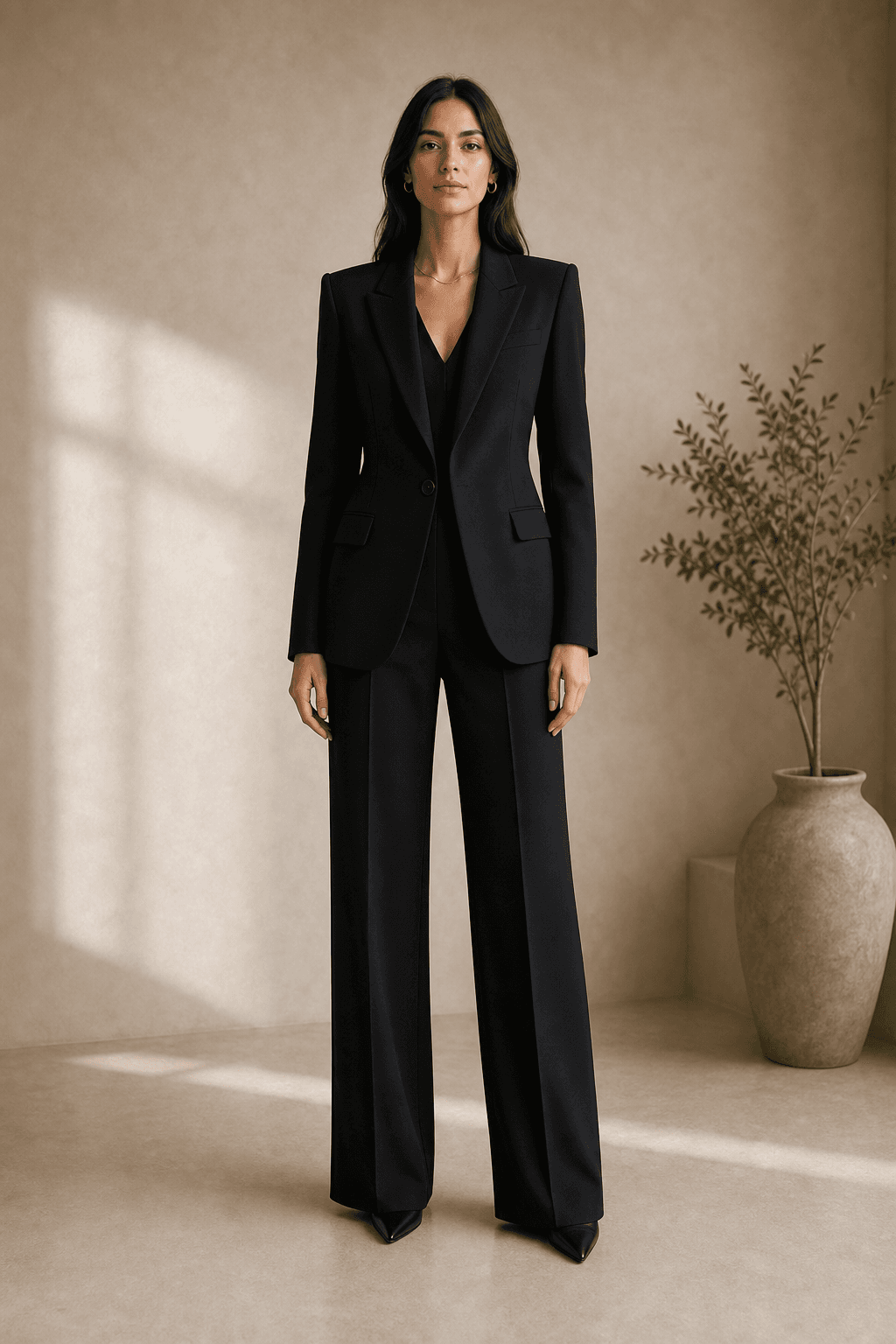
Dramatic
Active ID
Long, sharp, and striking, with a clean vertical line.
Dramatic family
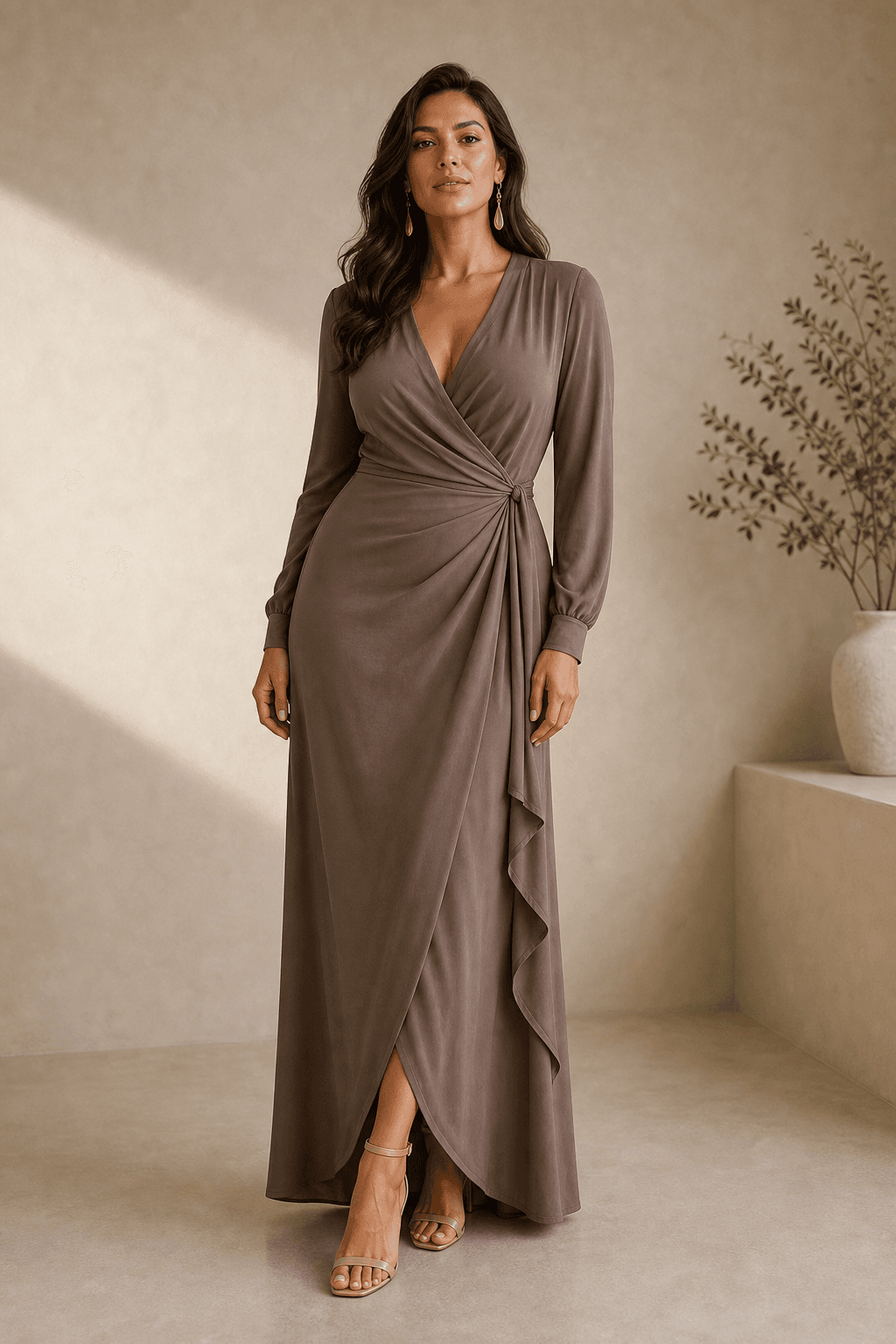
Soft Dramatic
Active ID
A long dramatic frame with visible curve and softness.
Natural family
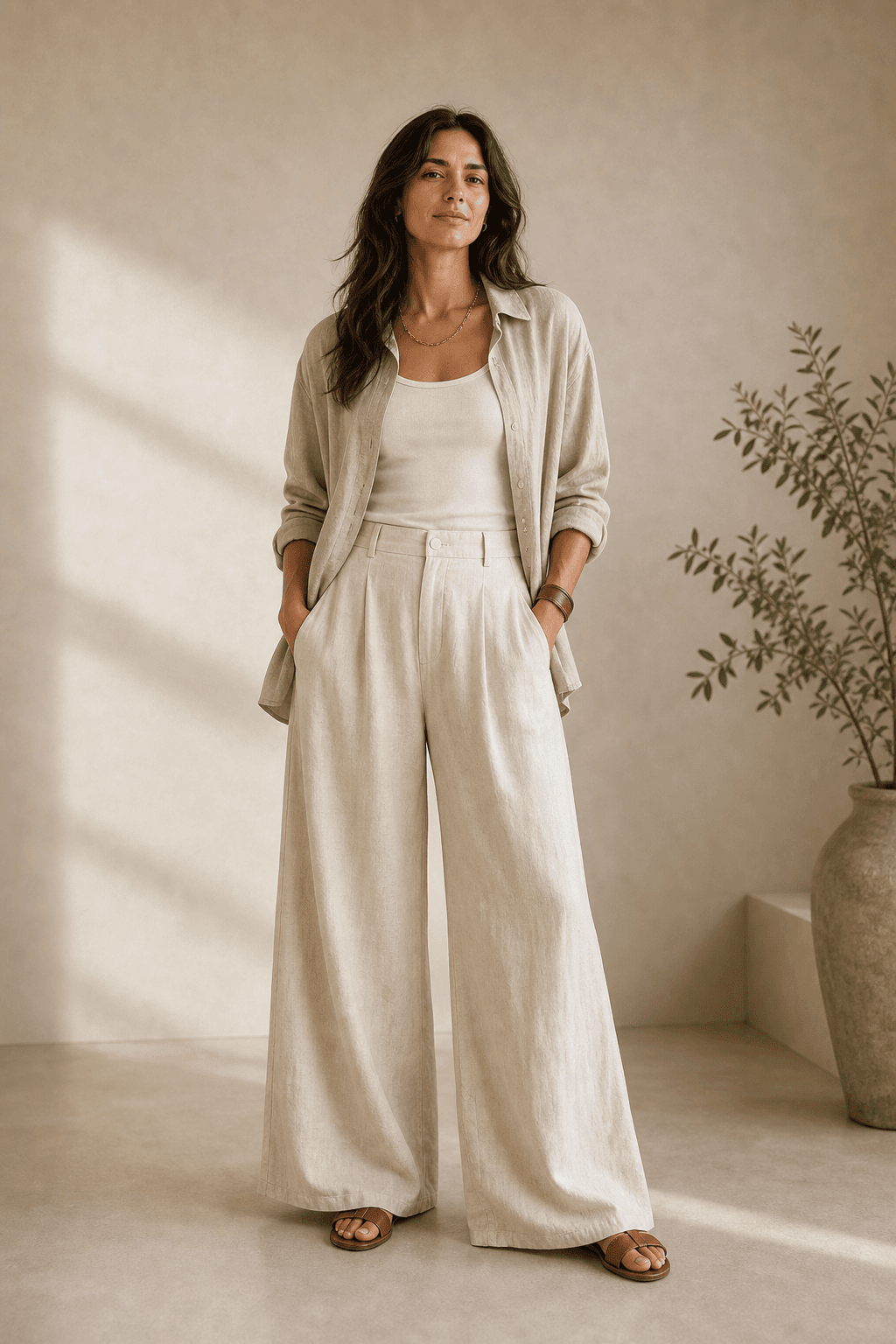
Flamboyant Natural
Active ID
Long, open, and relaxed, with width as the key feature.
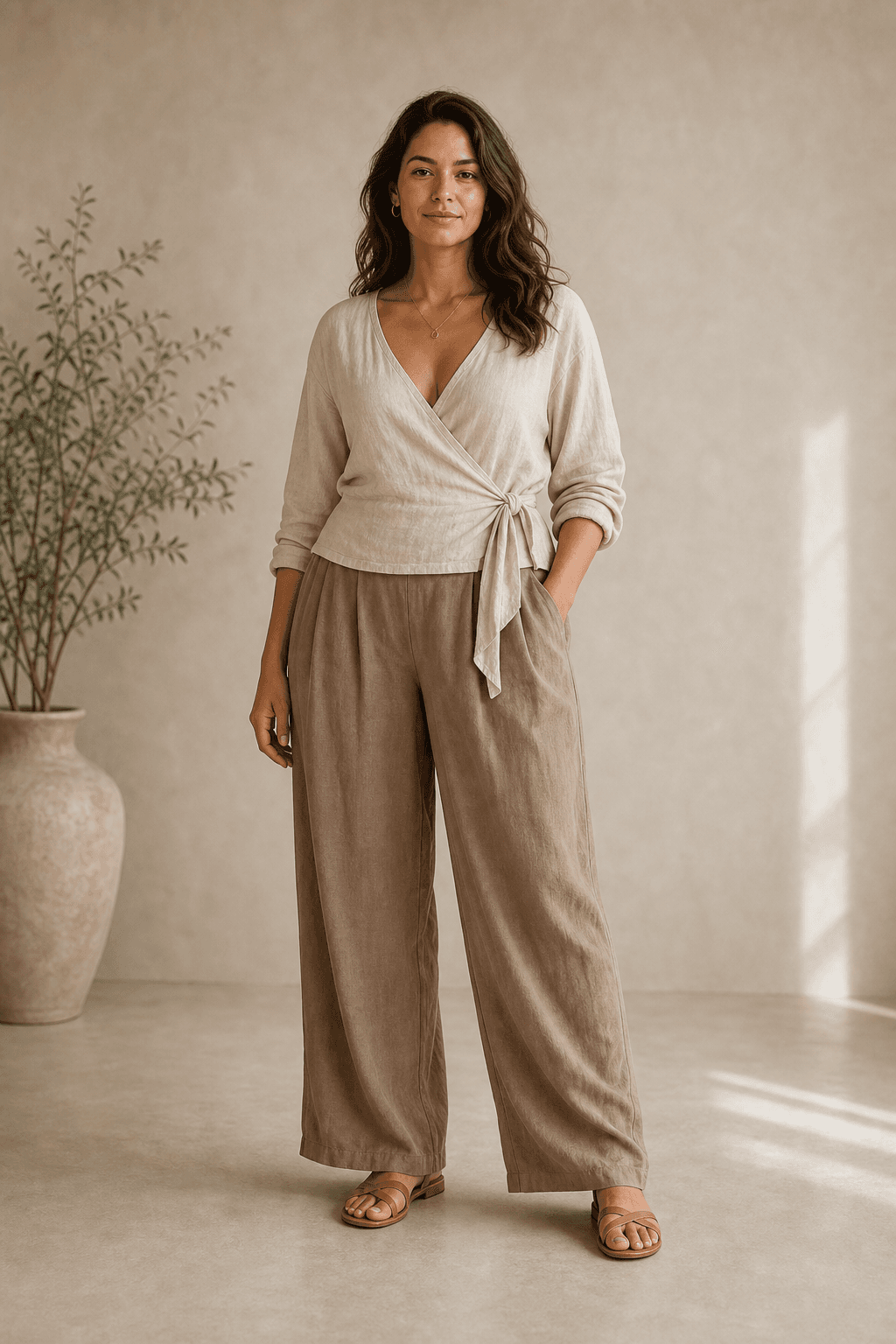
Natural family
Soft Natural
Active ID
Relaxed width with soft curve and approachable movement.
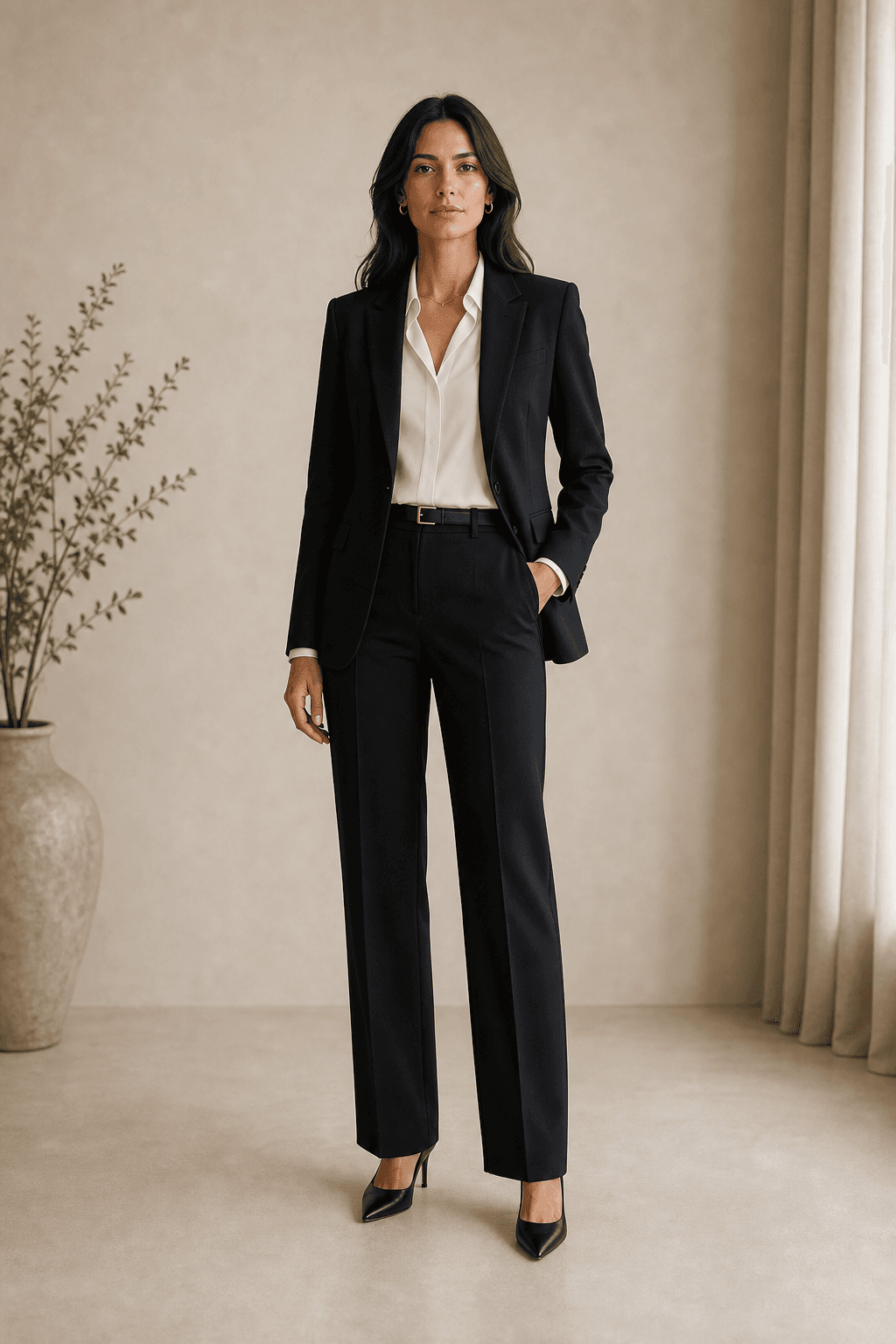
Classic family
Dramatic Classic
Active ID
Balanced and tailored, with a slight sharp edge.
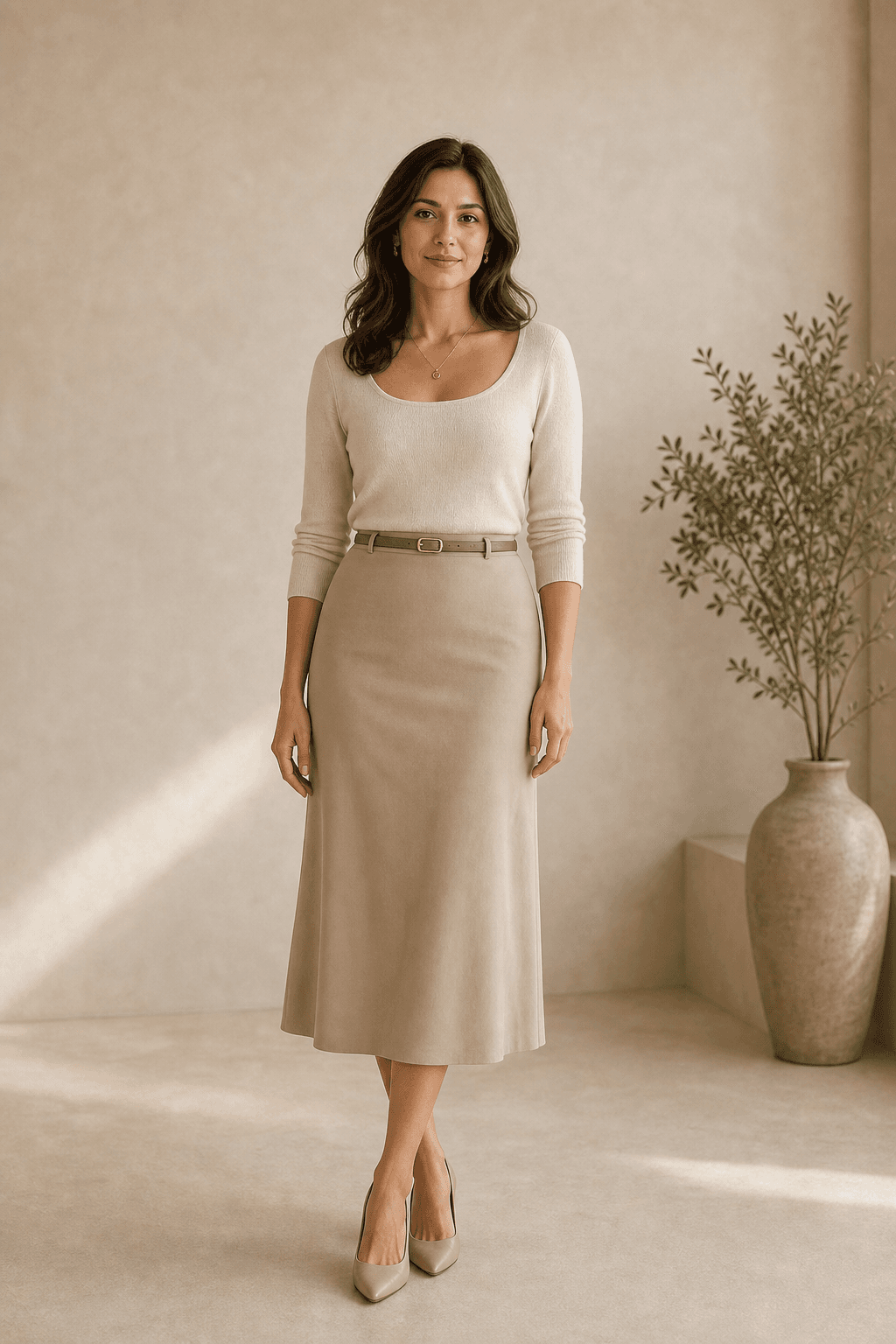
Classic family
Soft Classic
Active ID
Balanced and graceful, with gentle softness.
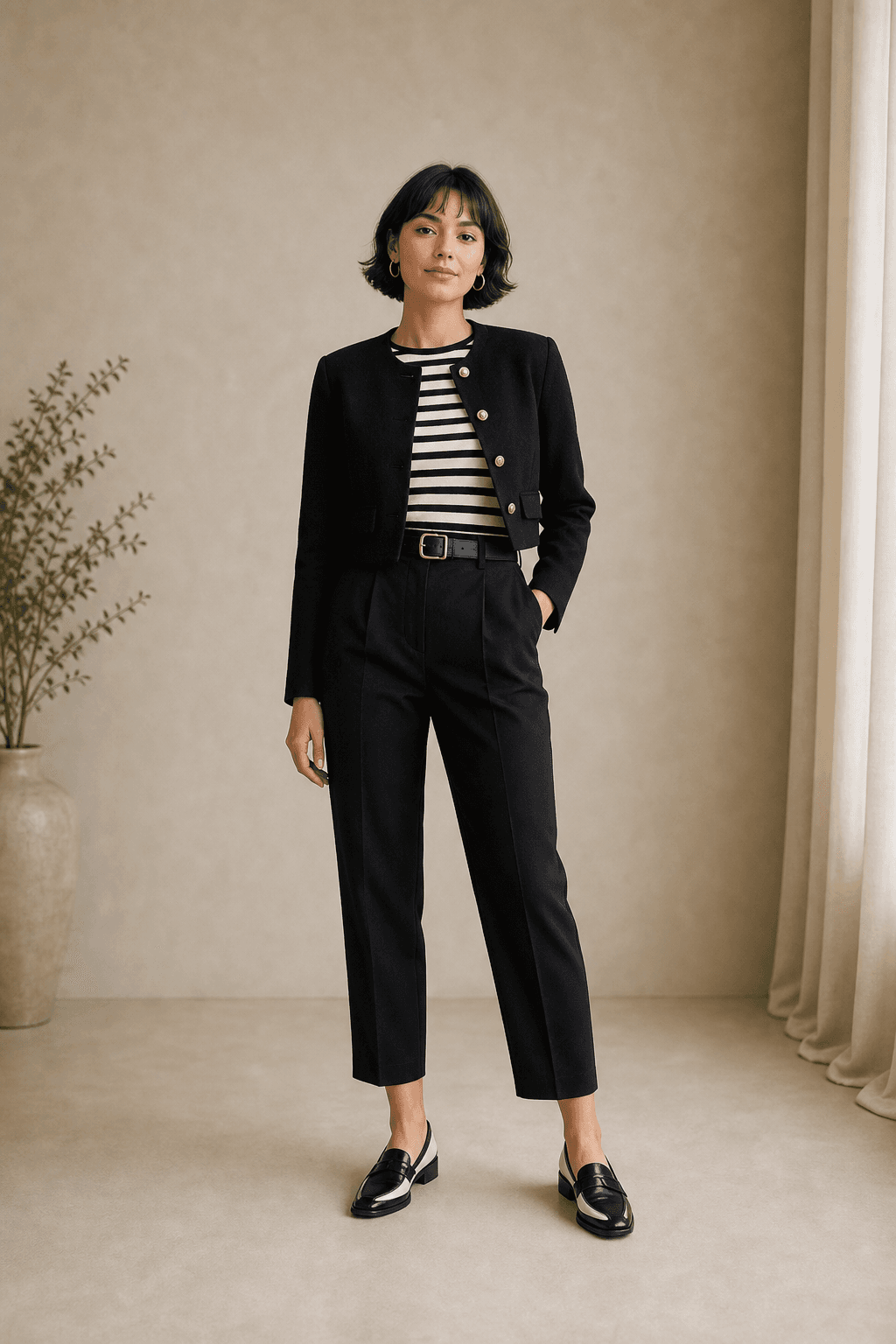
Gamine family
Flamboyant Gamine
Active ID
Compact, high-contrast, and angular with playful sharpness.
Gamine family
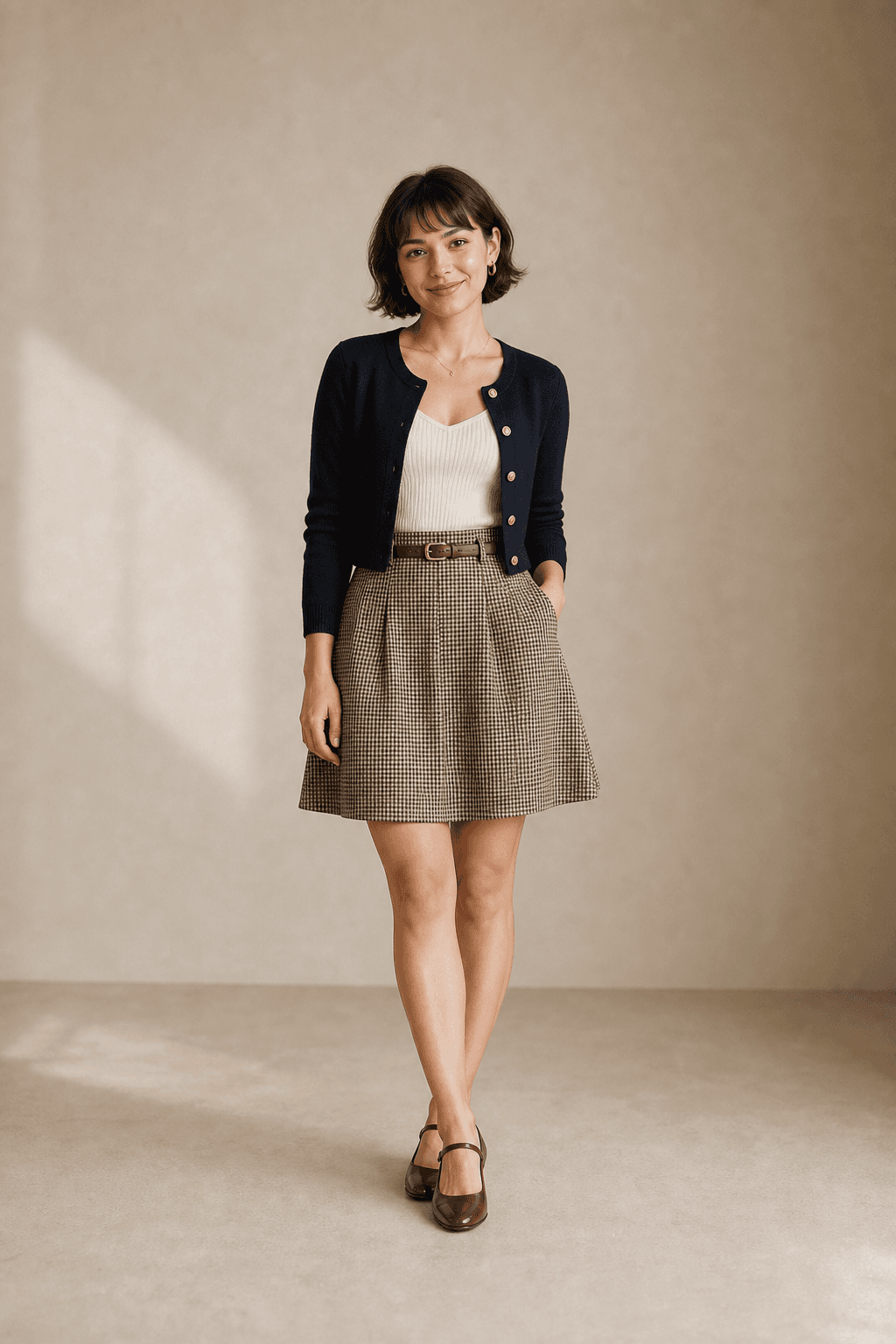
Soft Gamine
Active ID
Petite, rounded, and animated with a mix of yin and yang.
Romantic family
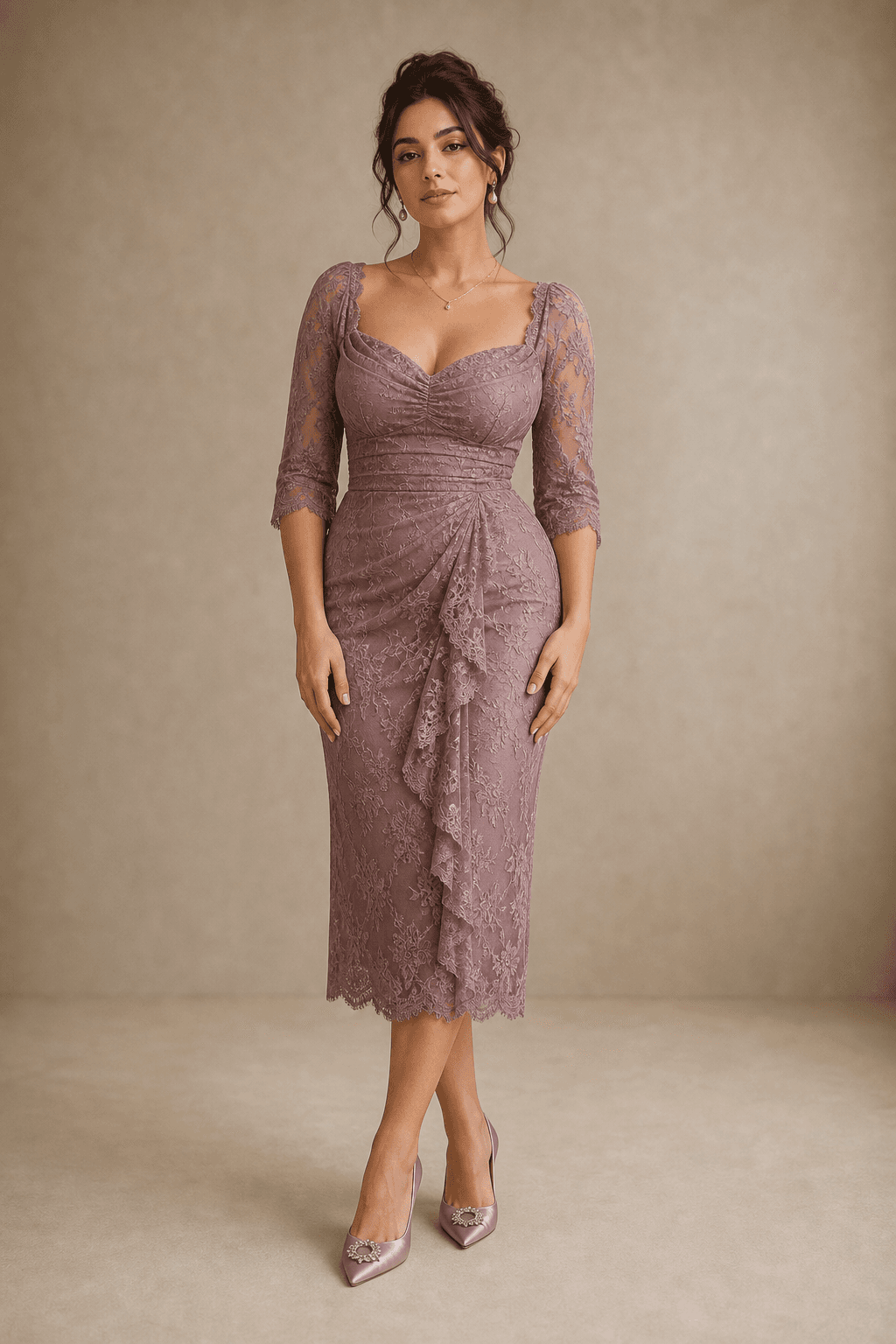
Theatrical Romantic
Active ID
Soft, rounded yin with a narrow sharp edge.
Romantic family
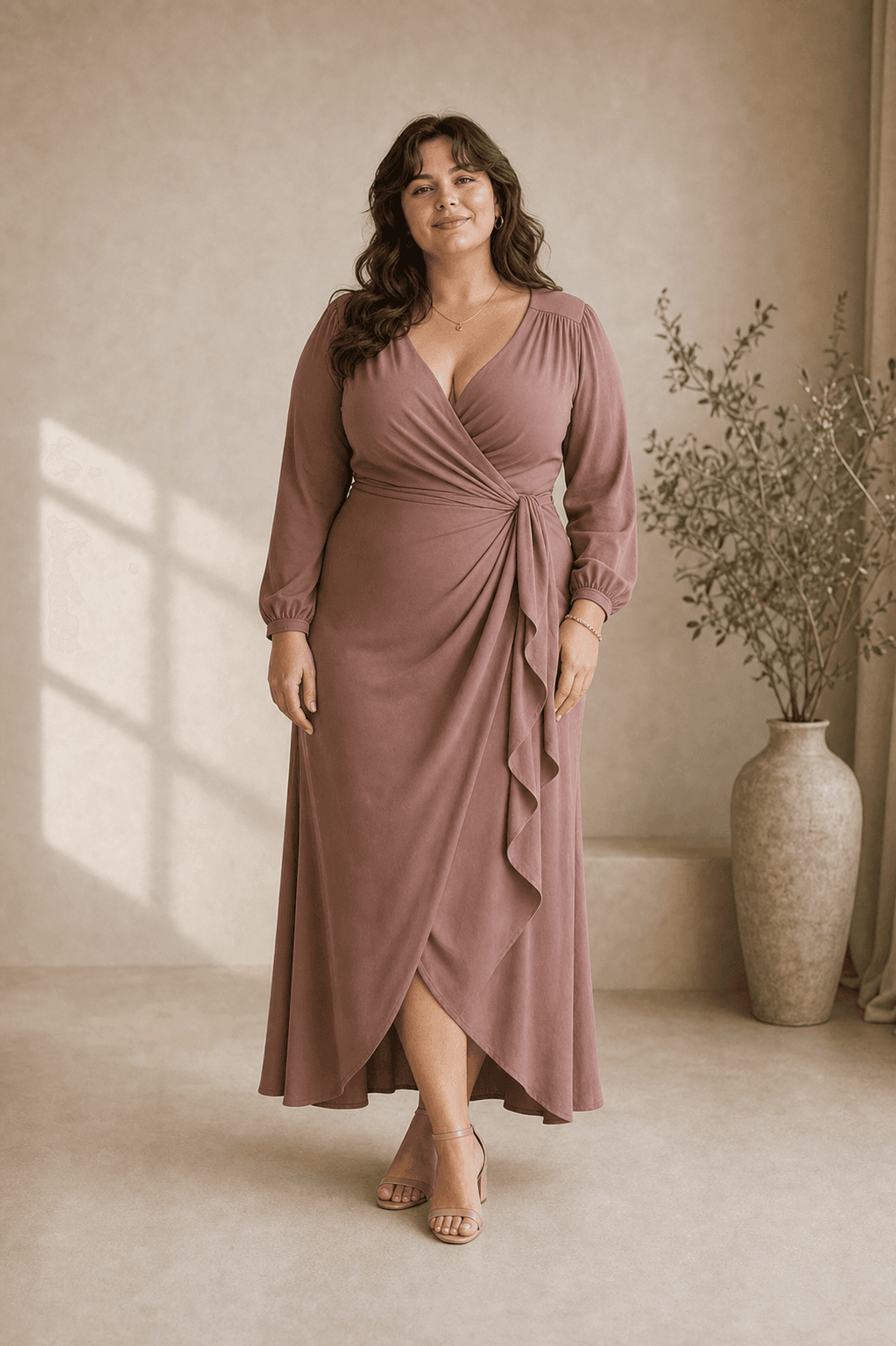
Romantic
Active ID
Soft, rounded, and curve-dominant from head to toe.
Natural family
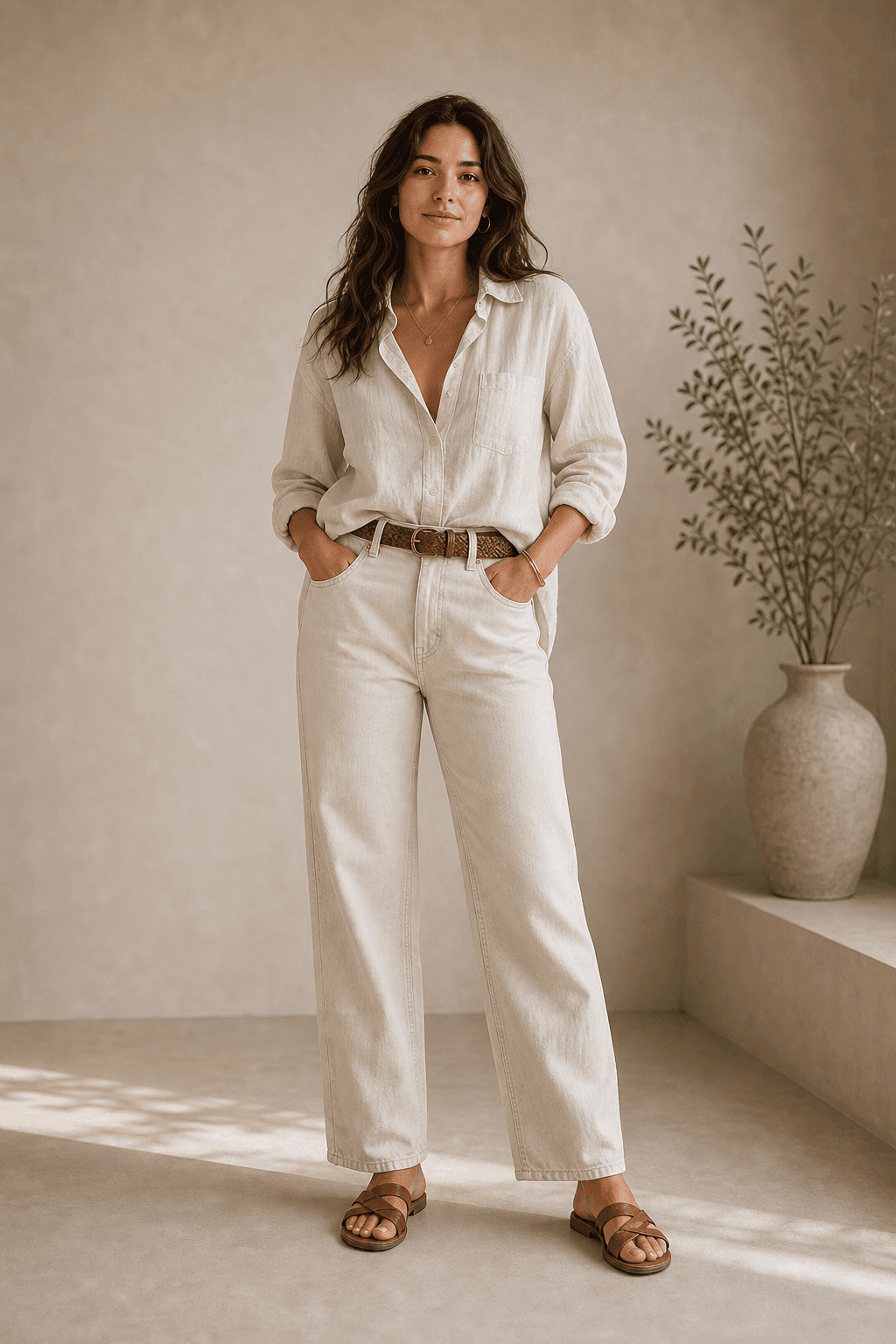
Natural
Legacy guide
A formerly used pure type now usually split into Soft Natural or Flamboyant Natural.
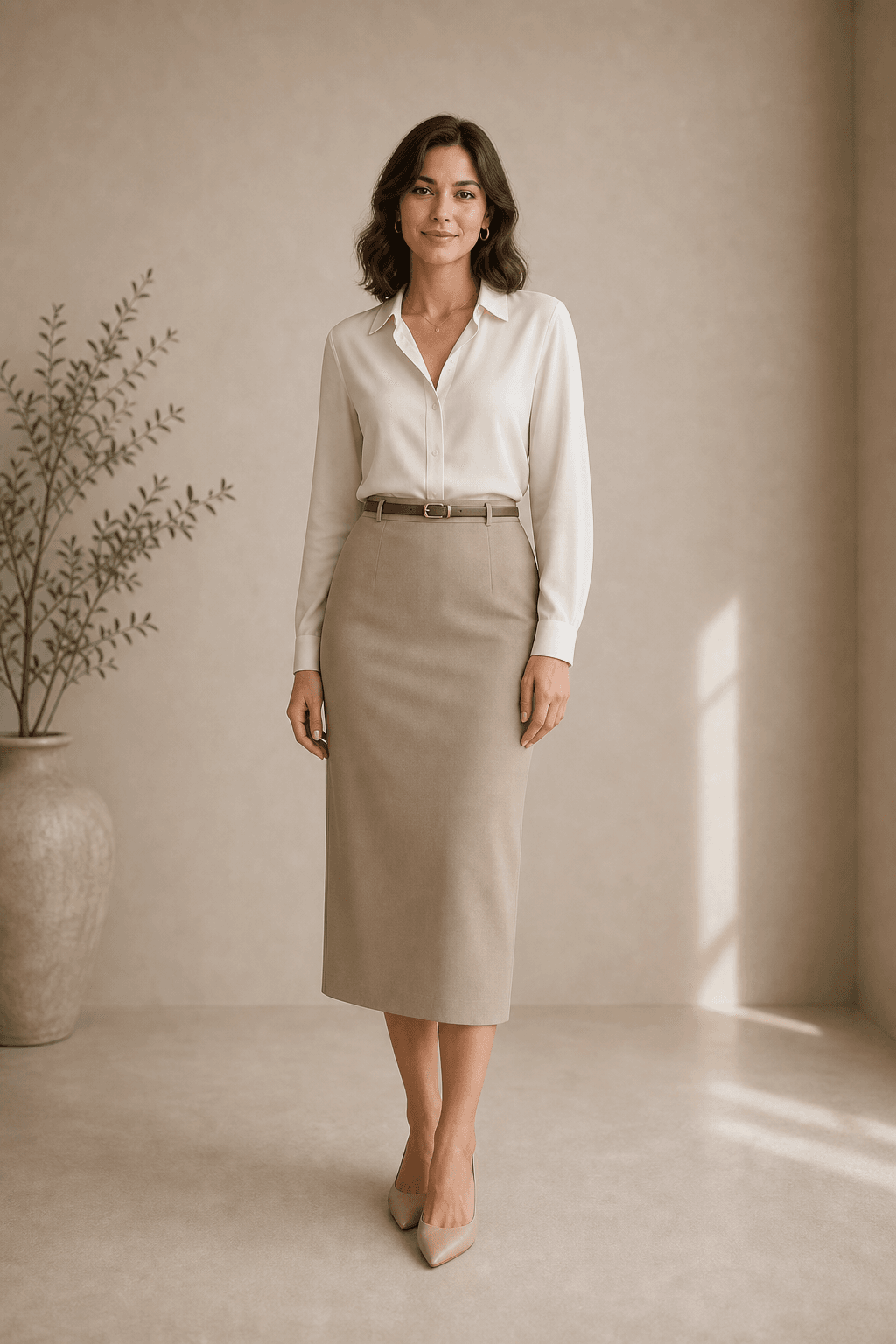
Classic family
Classic
Legacy guide
A formerly used pure type now usually split into Soft Classic or Dramatic Classic.
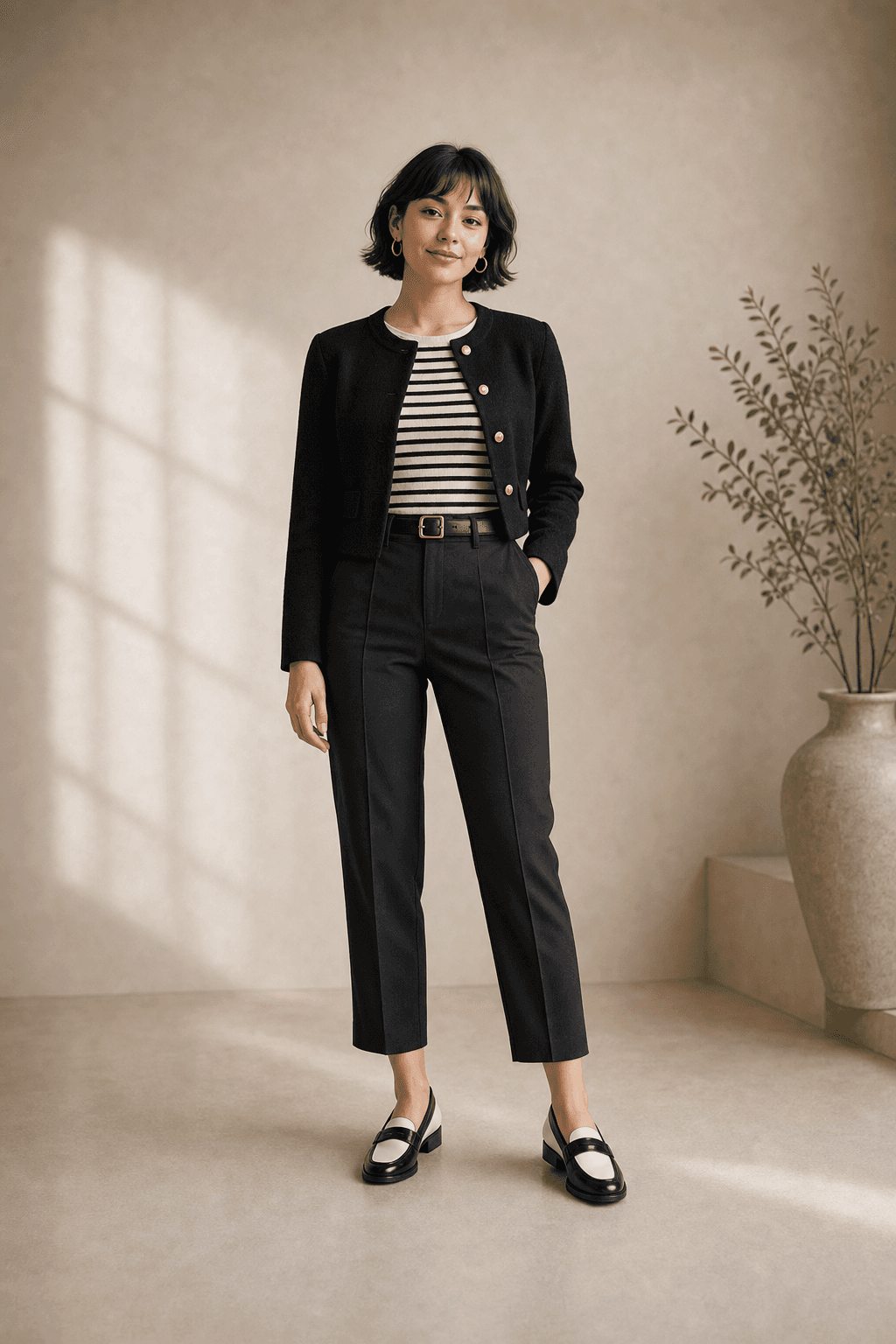
Gamine family
Gamine
Legacy guide
A formerly used pure type now usually split into Soft Gamine or Flamboyant Gamine.